Northumbria University STEM Visit
21st March
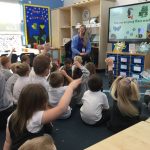
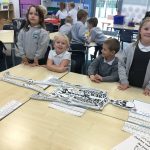
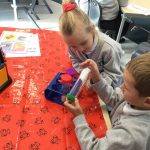
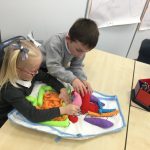
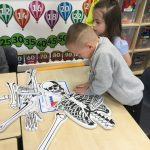
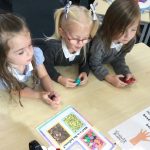
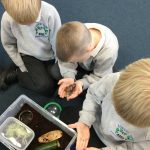
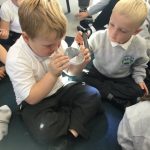
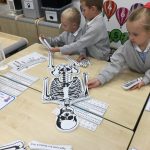
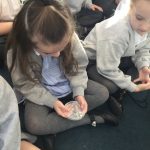
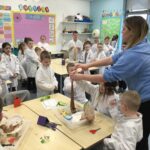
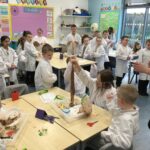
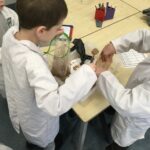
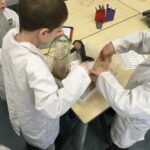
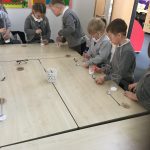
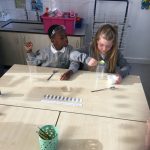
3JL took part in an engaging and exciting Young Scientists workshop delivered by the brilliant Theo and Wesley from Newcastle University. We thought about what a scientist may look like and how electricity passes through conductors (us!). We then became zoologists in biology and classified animals on a classification key using their characteristics. In chemistry, we looked at chromatography and in physics we looked at how sound moves through objects. Finally, in psychology, we learned about how our brains perceive different images. Across each section of science, we looked at what career paths we could follow. We then attended a marvellous assembly on the story of the Earth!
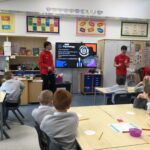
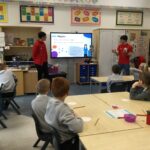
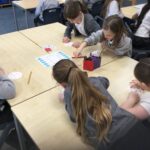
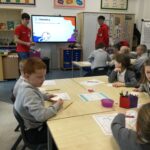
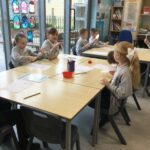
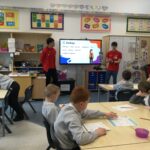
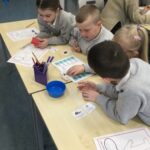
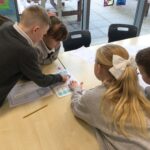
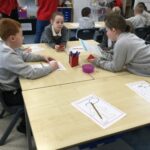
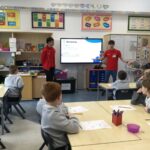
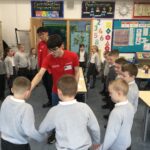
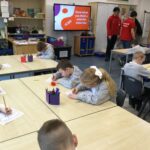
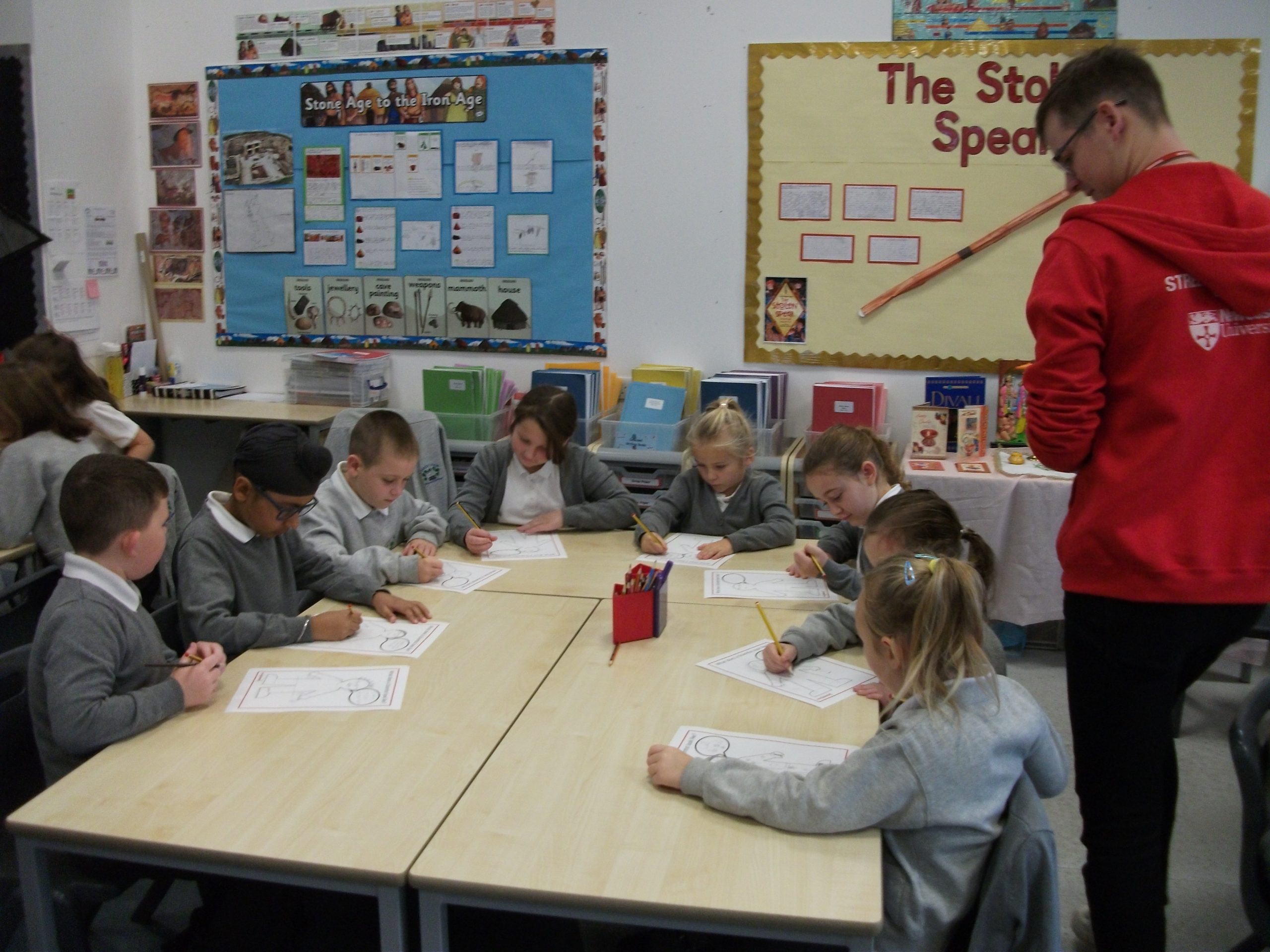
Year 5s workshop was all about senses. The children started by drawing what they thought a scientist looked like. Most of the children opted for wild, spiky hair, lab coats and big goggles in their drawings. Our visitors then discussed that anyone can be a scientist and can study it at university just like them. The children were asked to close their eyes and touch their own nose, which they could all do immediately, however most children were unable to place their finger on their scientist’s nose. This demonstrated the ‘body awareness’ sense. After that, the children created a human circuit by standing in a circle touching fingertips. When the circuit was connected, the children became conductors of electrons and allowed an energy stick to light up. After that, they investigated taste. They were each given a piece of PTC paper and carried out a Genetic Taste Test. The children investigated the link between our brains and our ability to see.The children stared at a spinning optical illusion for 30 seconds. This was a demonstration of how our brains can become overcompensated as the experiment caused their brains to process a new image, which resulted in the illusion of a growing and shrinking head. Finally, in pairs, the children carried out an investigation into smell and taste. One partner was given a sweet to eat and had to guess the flavour, however, they had to hold their nose throughout. The children found that once they let loose their nose, they could then identify the flavour of the sweet with ease but when they held their nose they could not.
British Science Week 2024!
8th-17th March
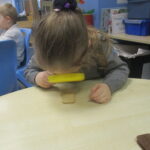
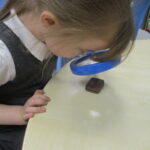
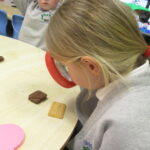
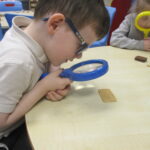
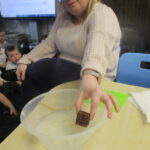
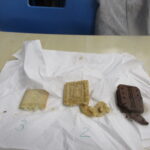
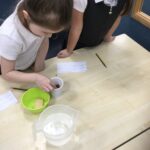
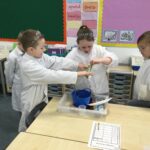
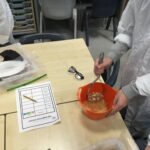
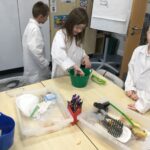
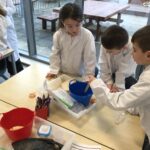
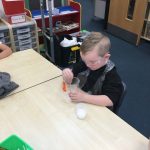
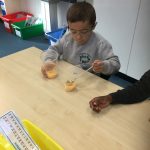
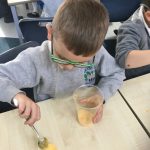
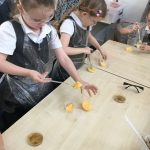
This year was the 30th anniversary of British Science Week and this year’s theme was ‘time’! To celebrate British Science Week the whole school completed a comparative and fair test enquiry using time as their control variable to find the best biscuit dunker!
The children then put their creativity to the test to explore the theme of time and create a poster around their chosen topic.
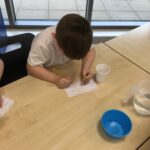
Science Buddies!
UKS2 thoroughly enjoyed their heart workshop where they had the opportunity to explore and investigate a real heart as a fantastic introduction to our new topic about the circulatory system.
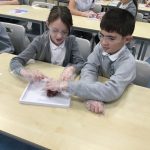
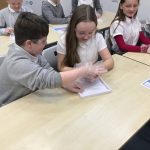
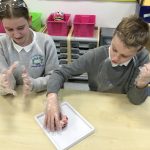
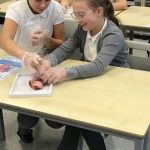
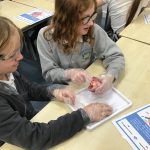
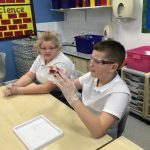
Year 3/4 had a fantastic morning taking part in a fantastic workshop on digestion. The children identified the main organs of the human digestive system. They then made ‘poo’ by following a meal through the digestive tract, identifying the role of enzymes at each stage.
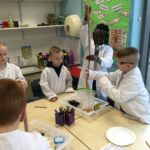


Hancock Museum
7th December
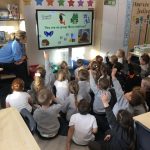
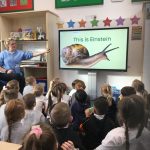
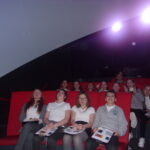
UKS2 had a fantastic time during their trip to the Hancock Museum to support their science learning on evolution and inheritance. They participated in a workshop exploring evolution, watched a fabulous space film in the planetarium
Fish Investigation
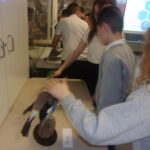
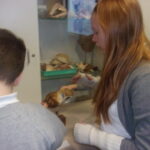
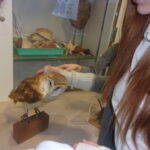
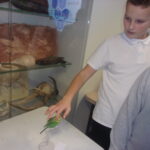
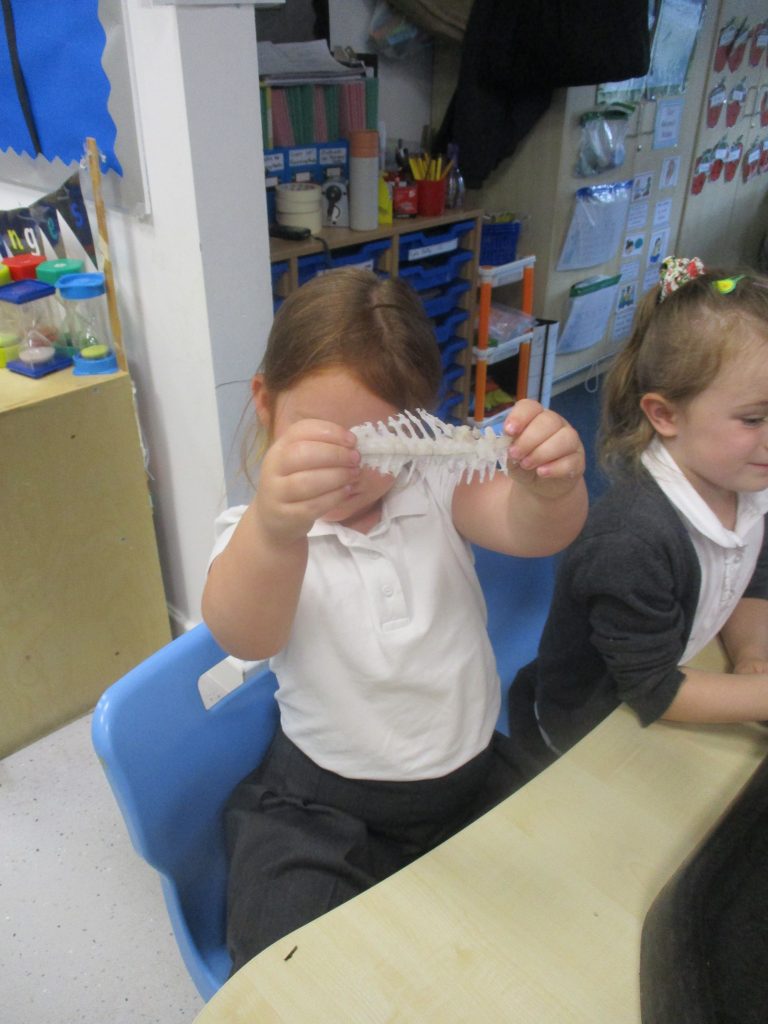
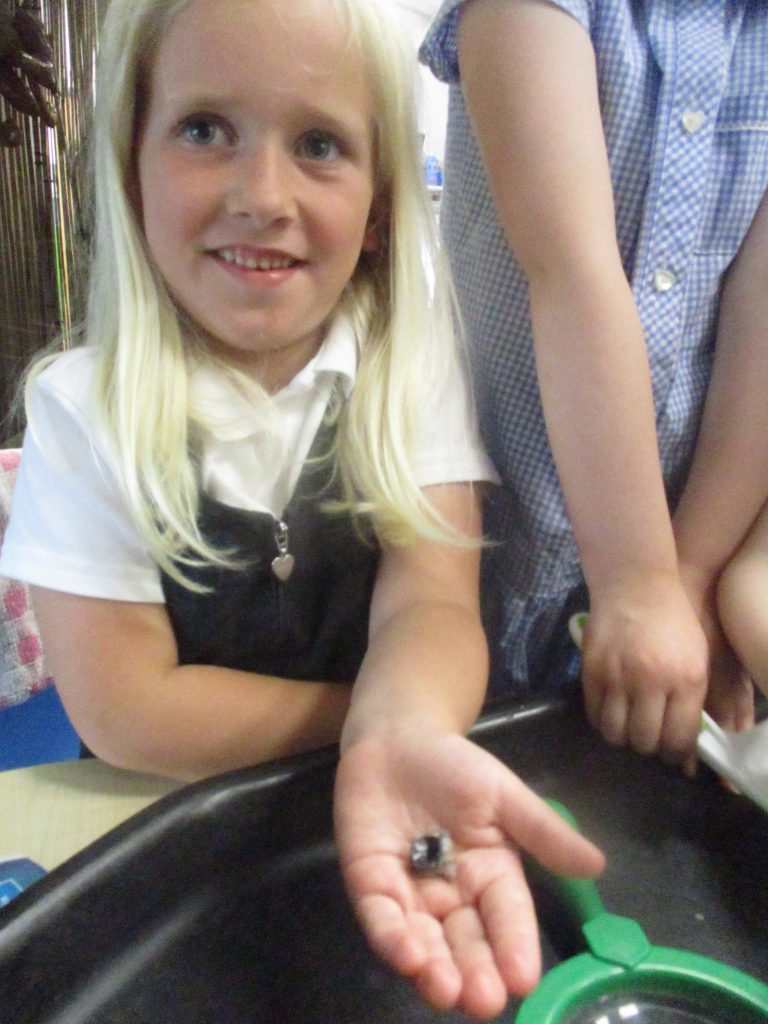
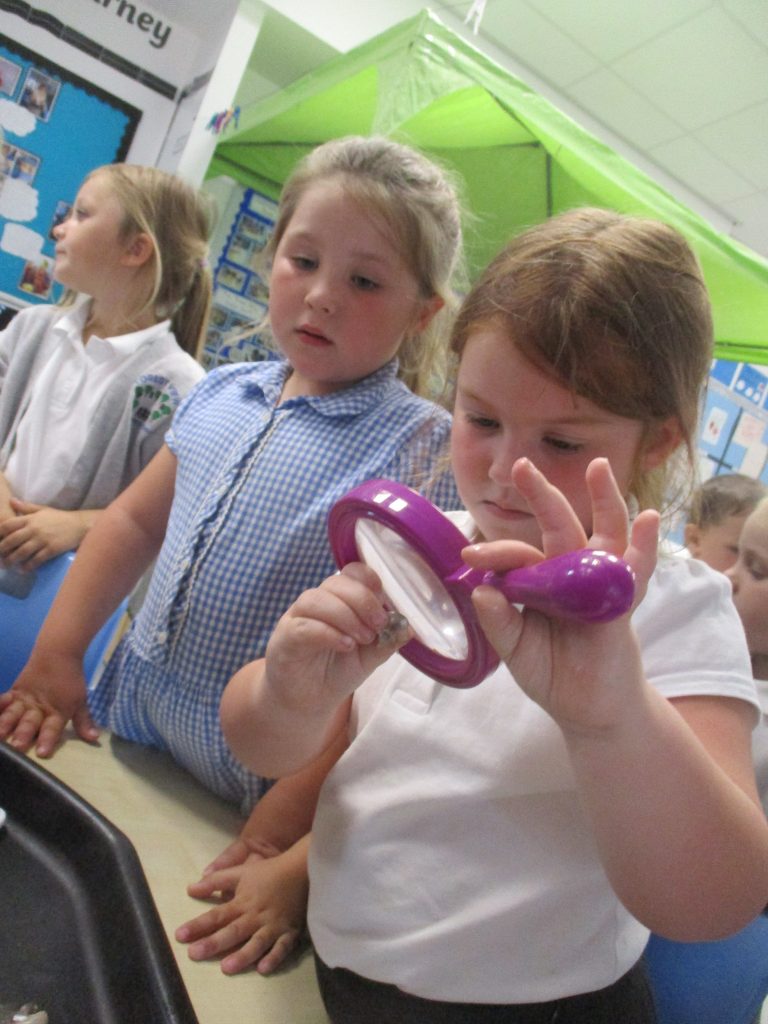
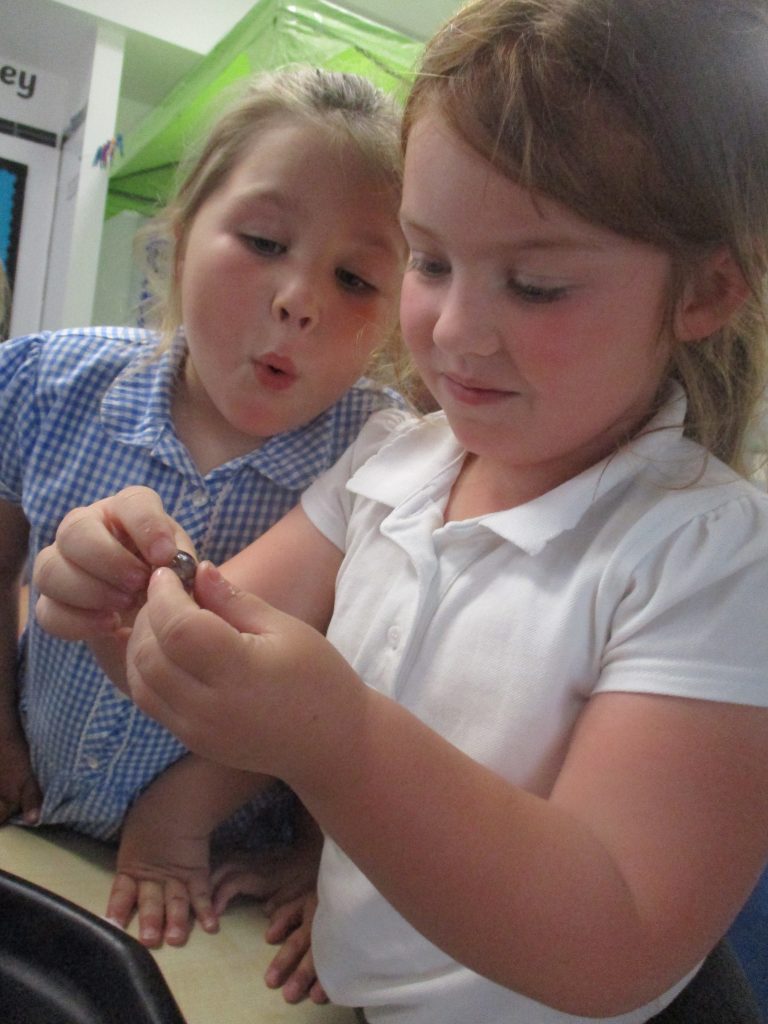
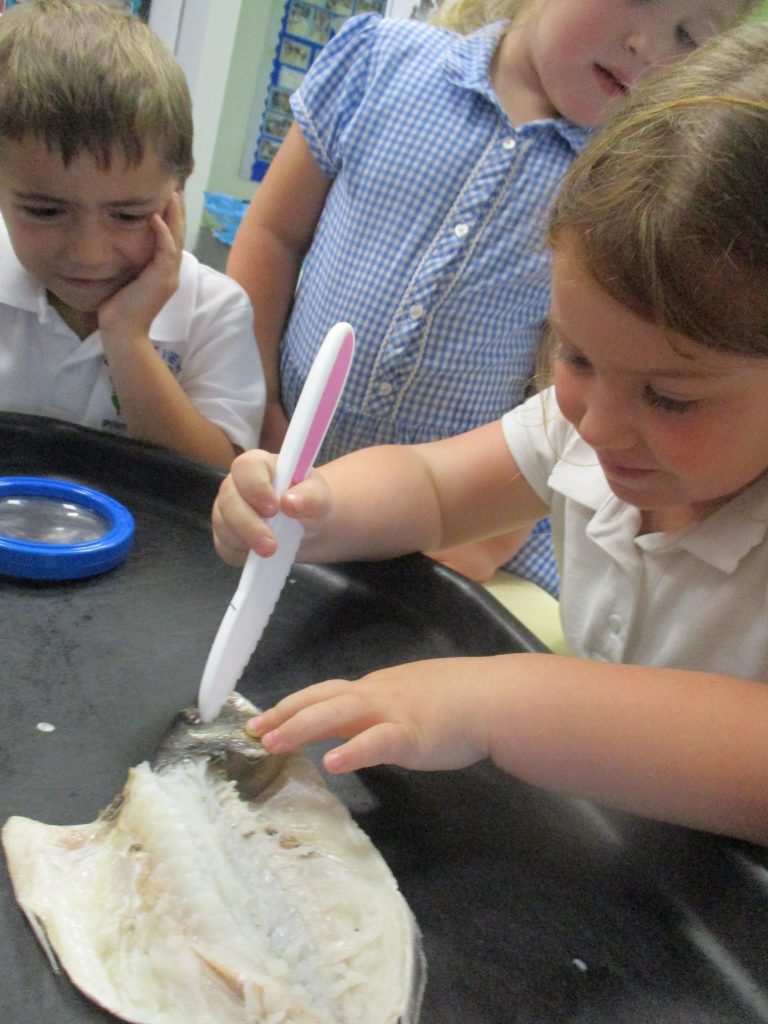
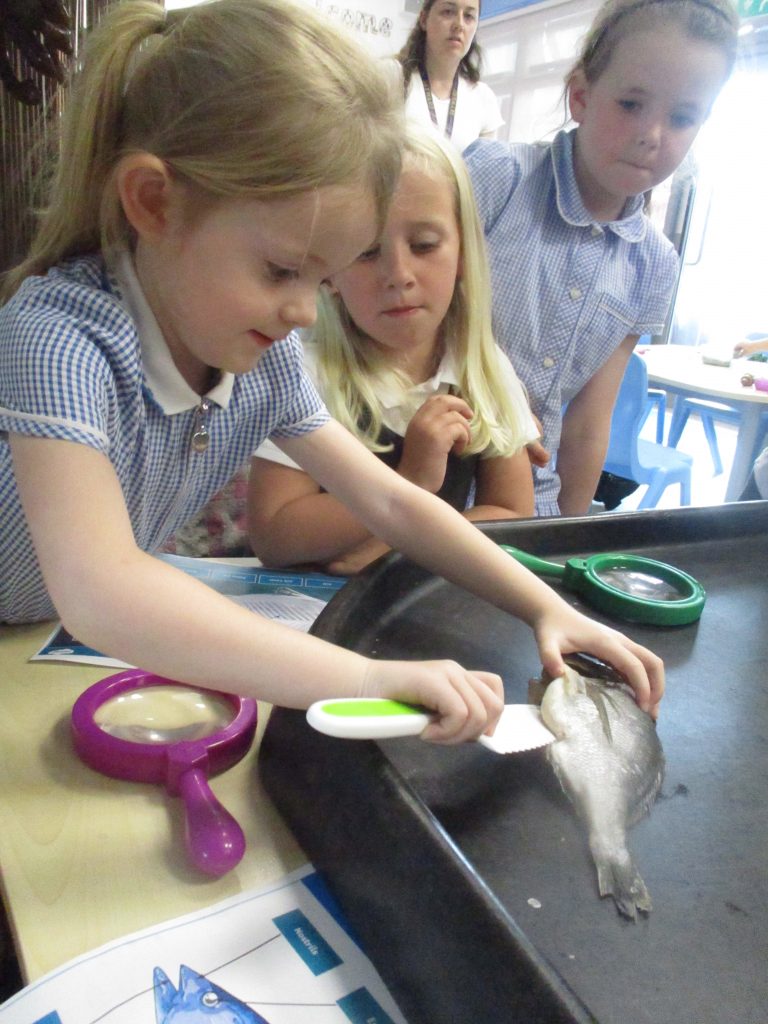
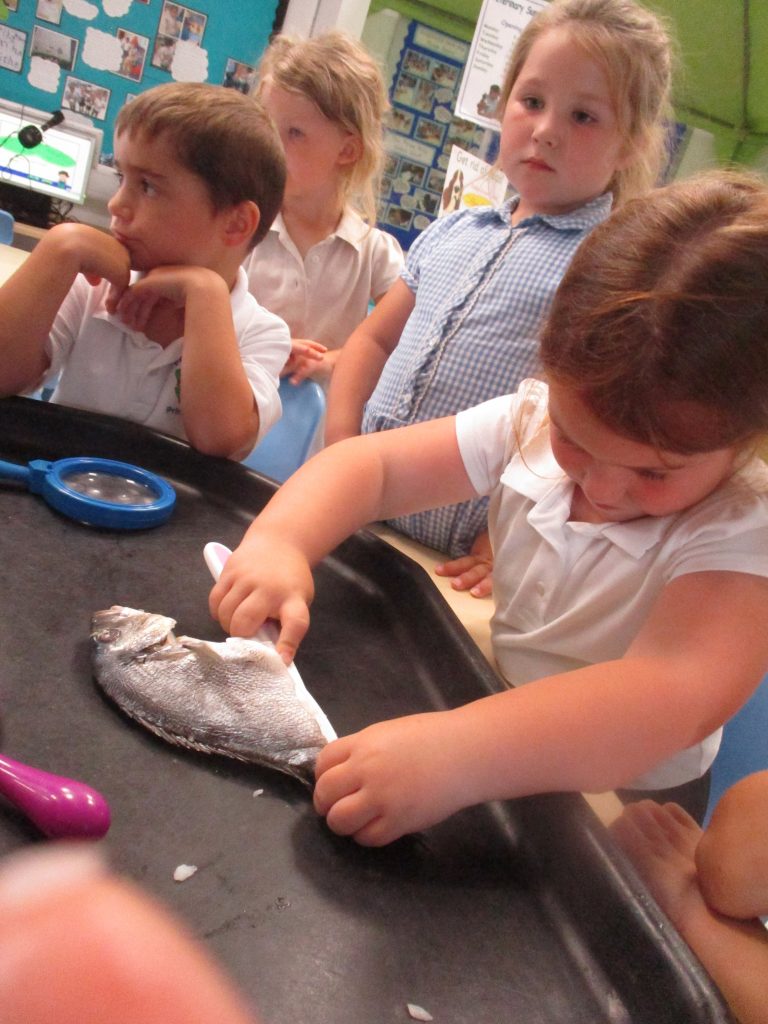
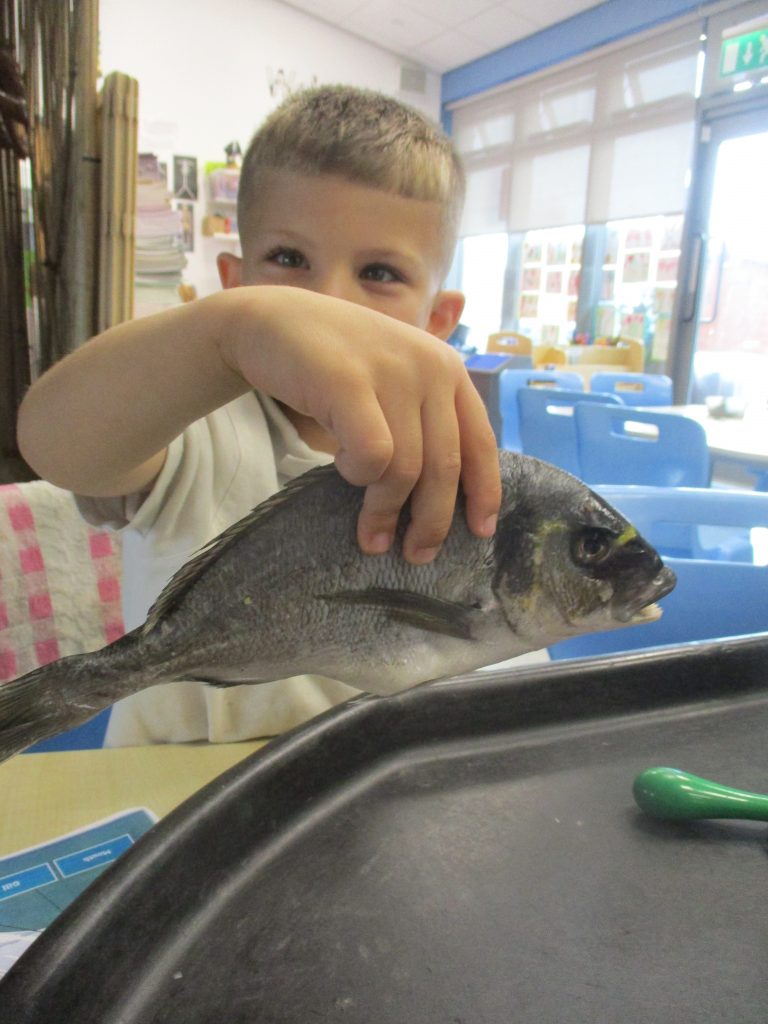
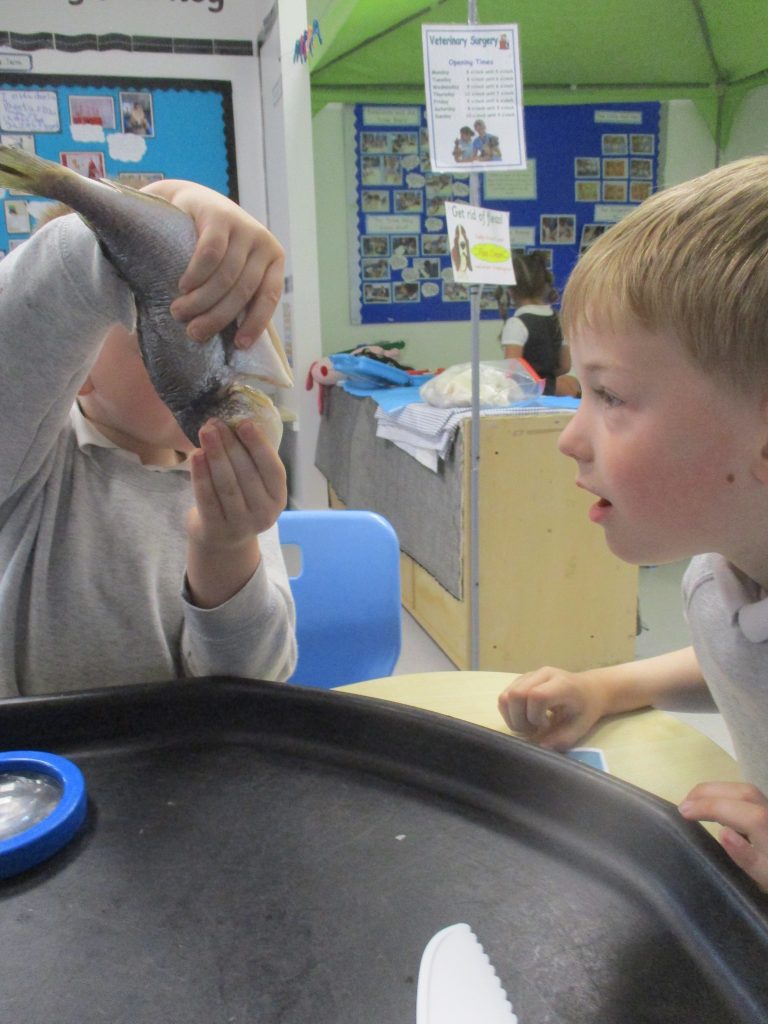
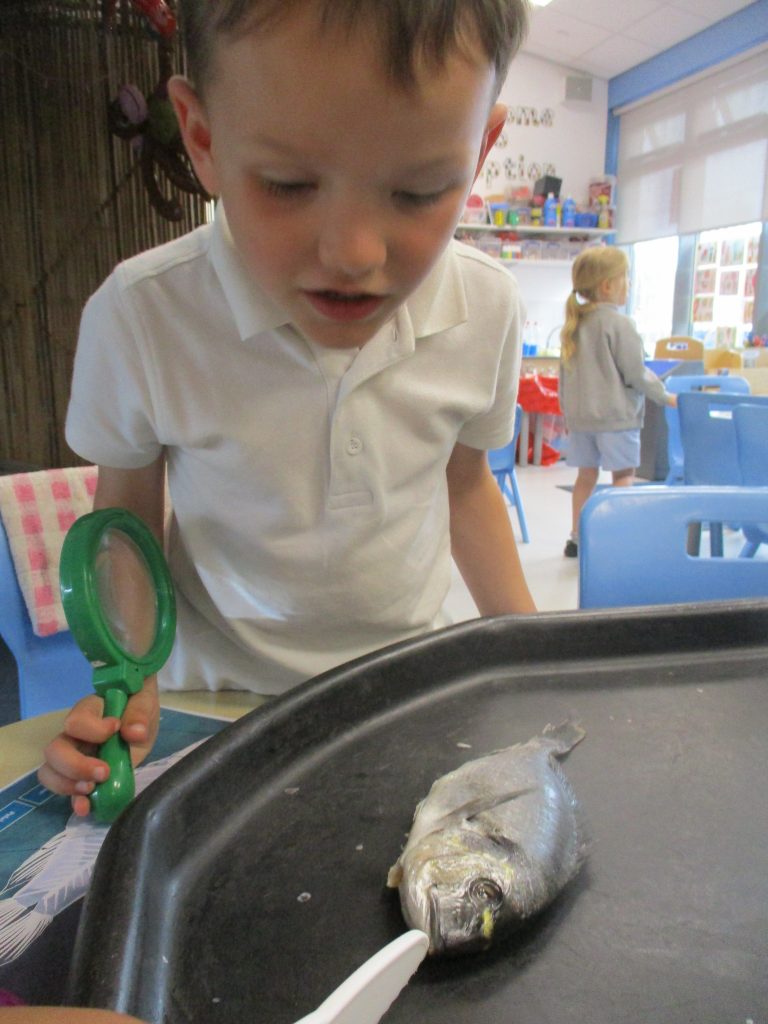
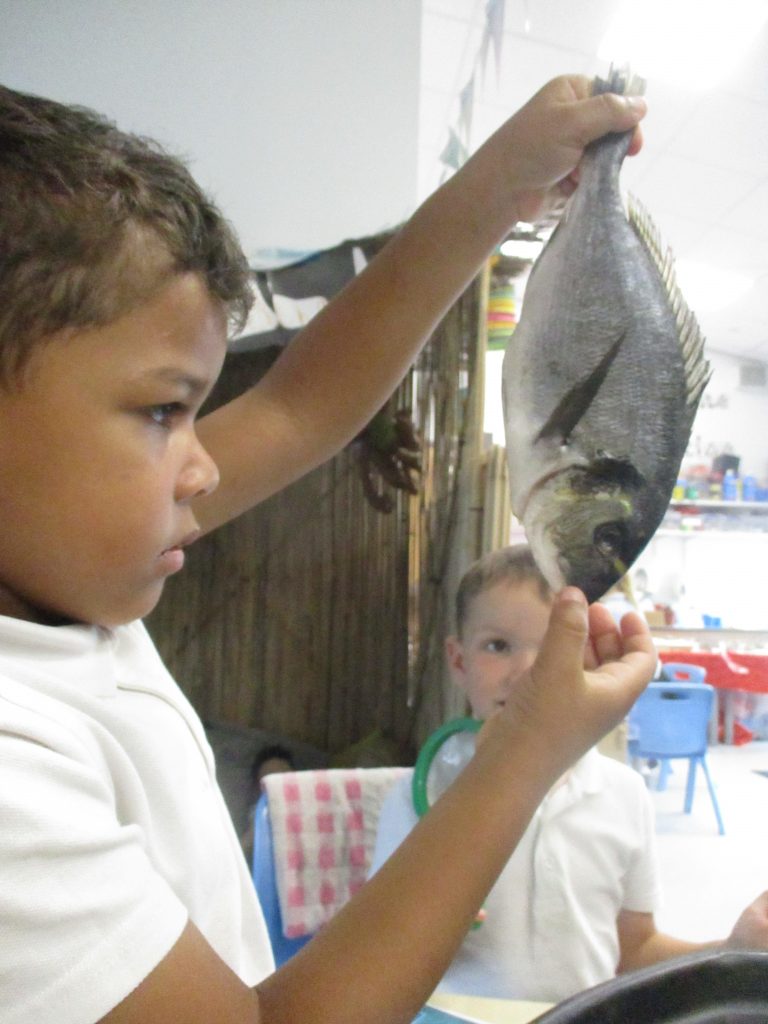
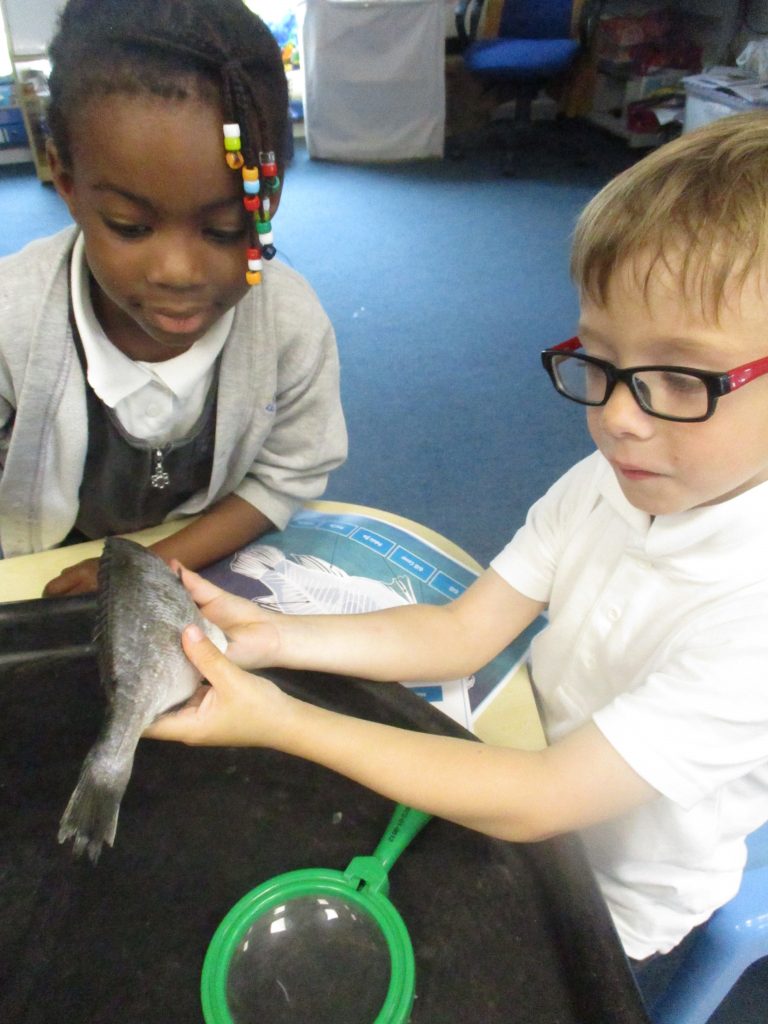
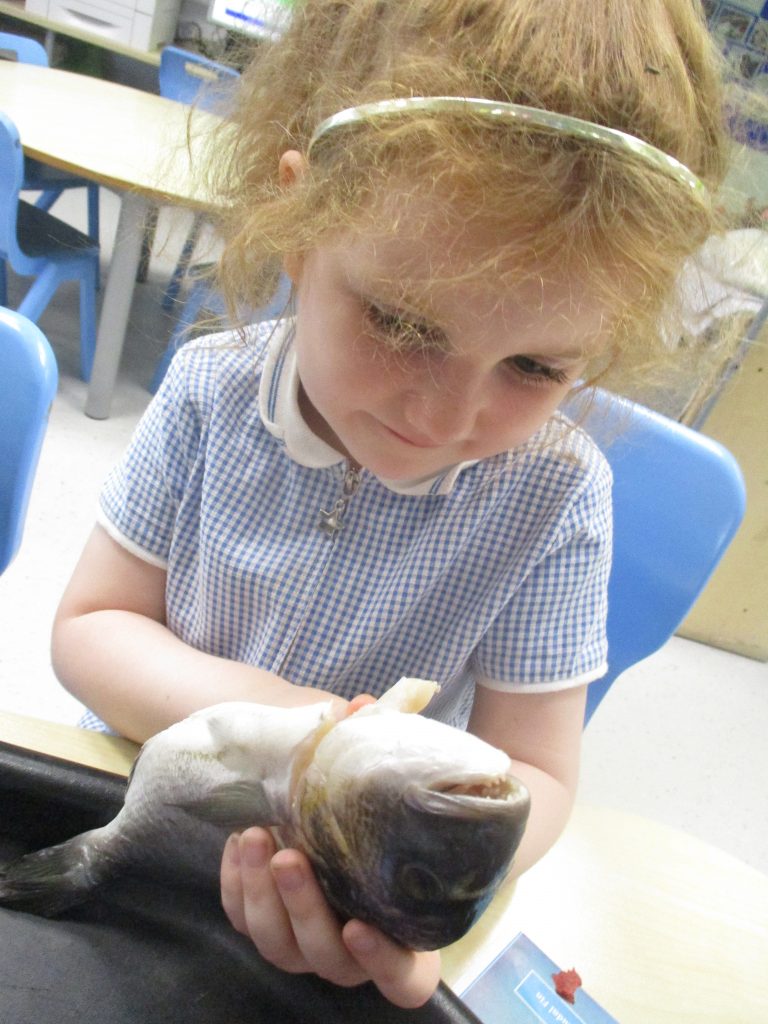
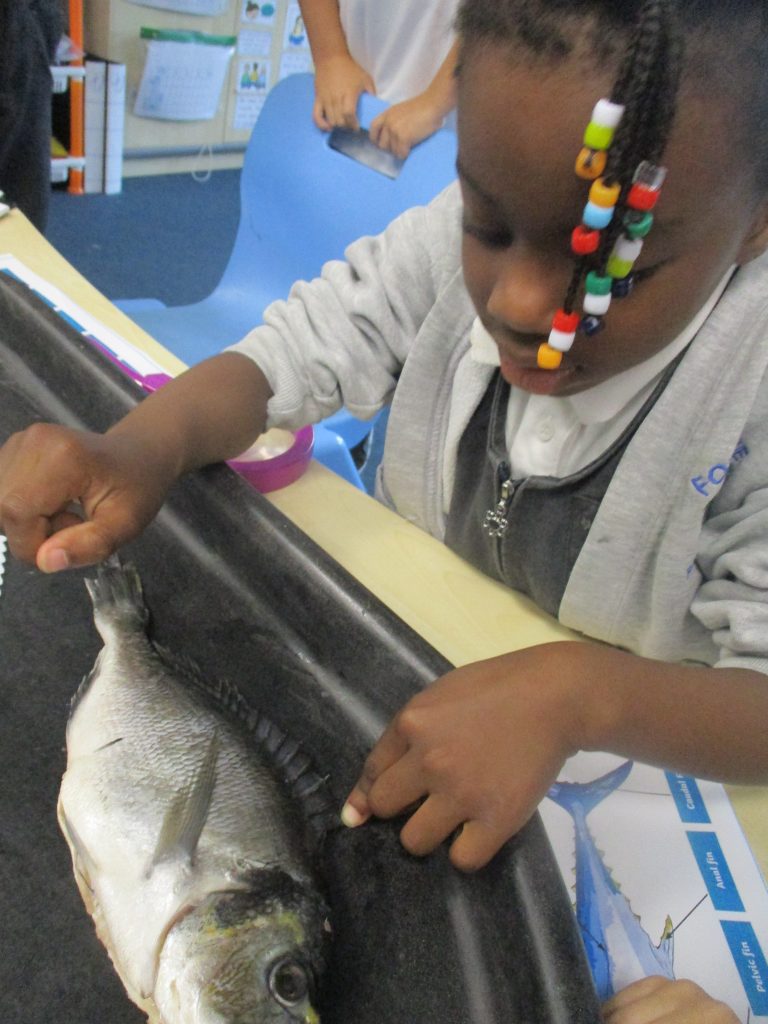
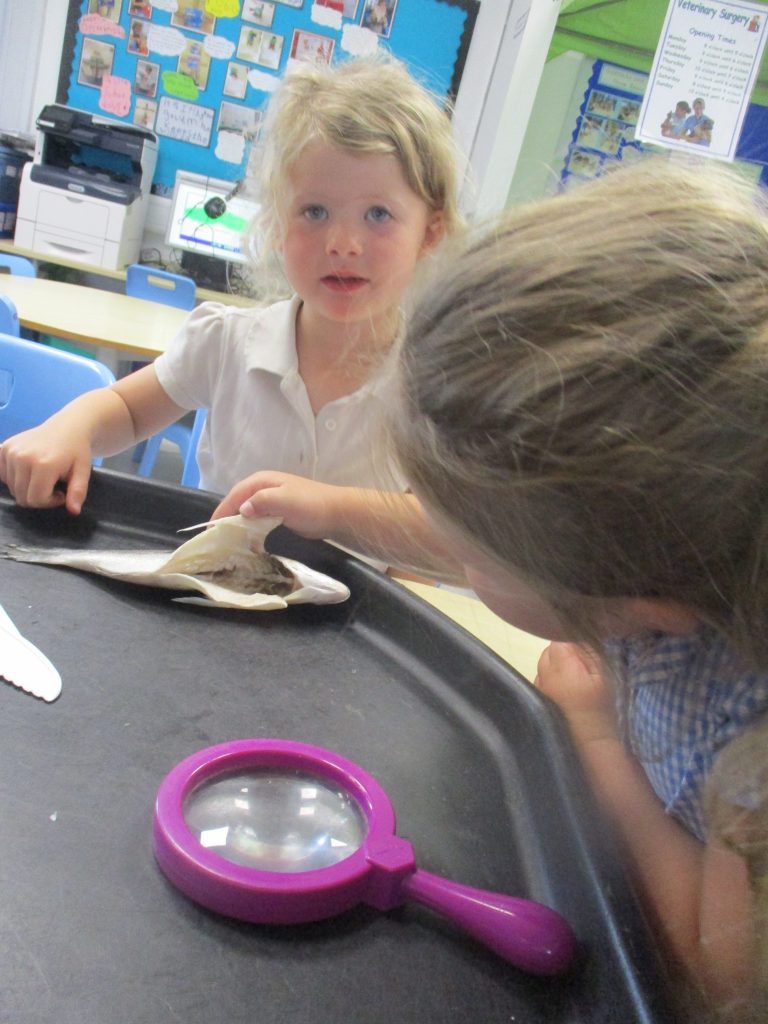
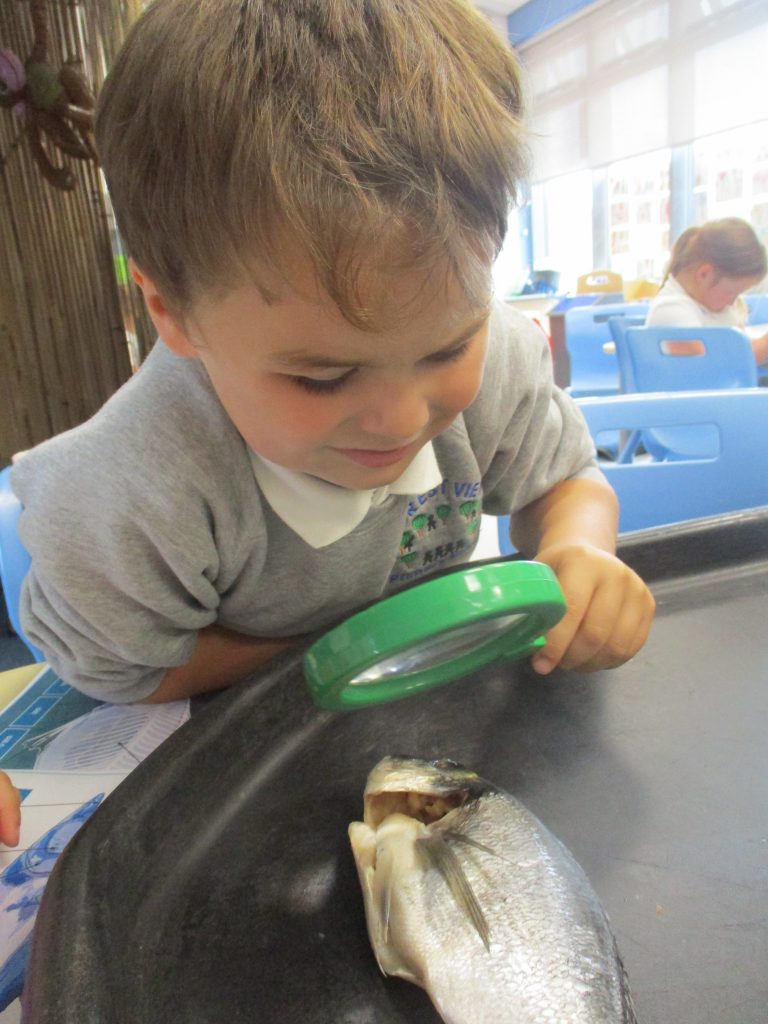
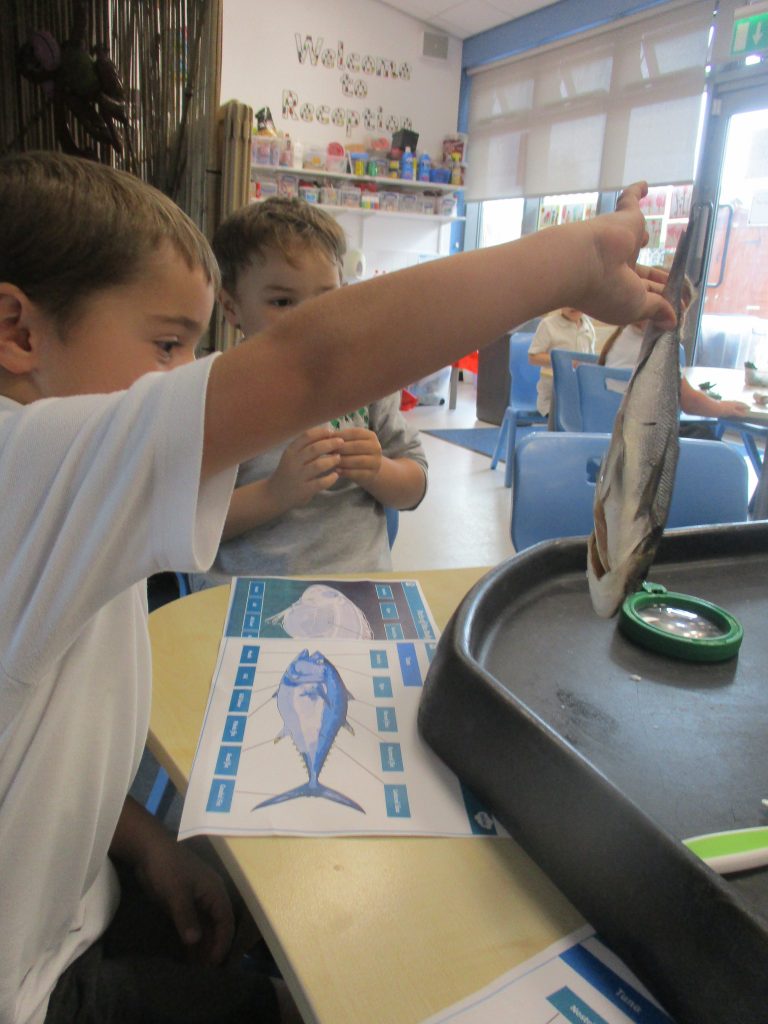
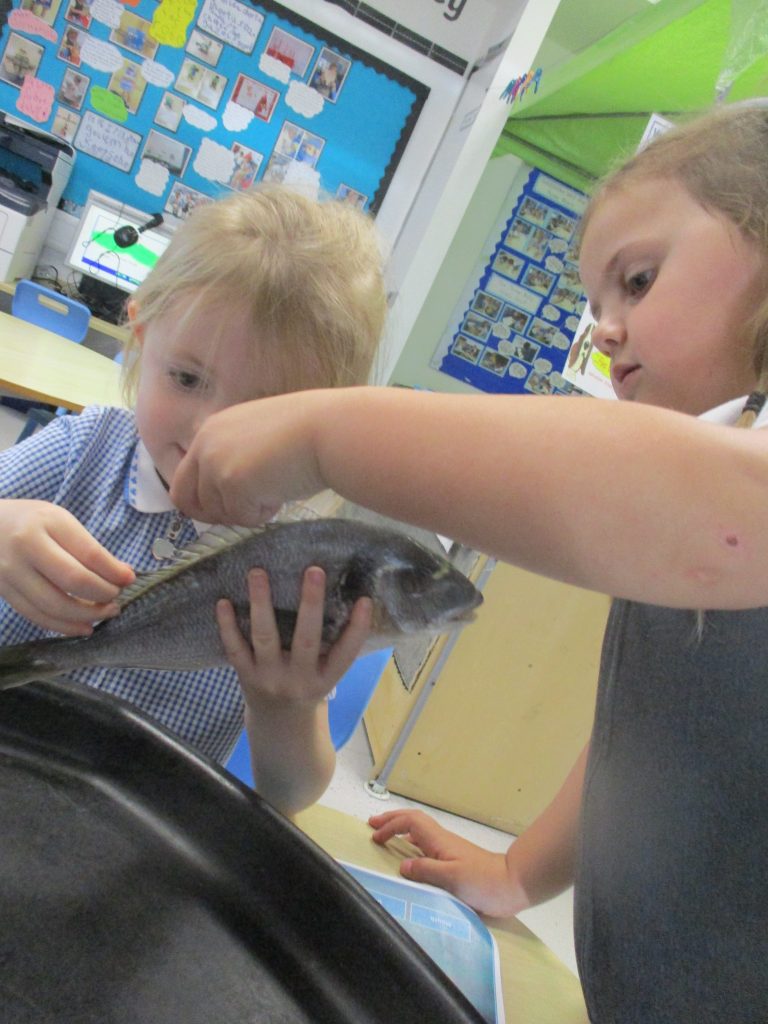
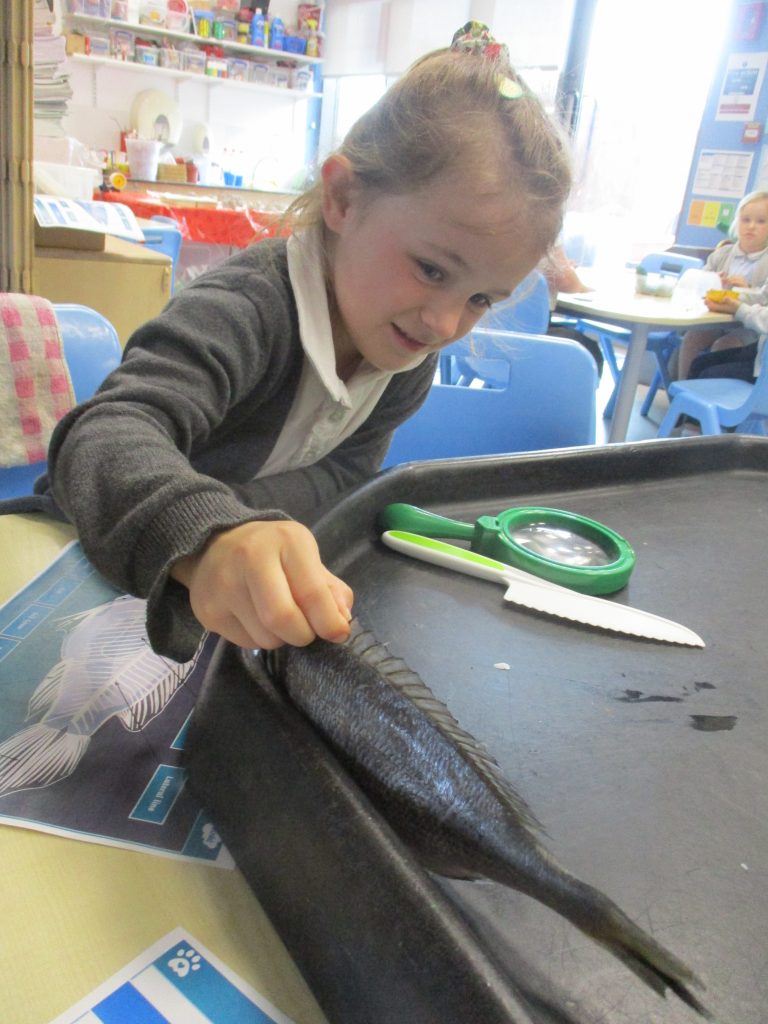
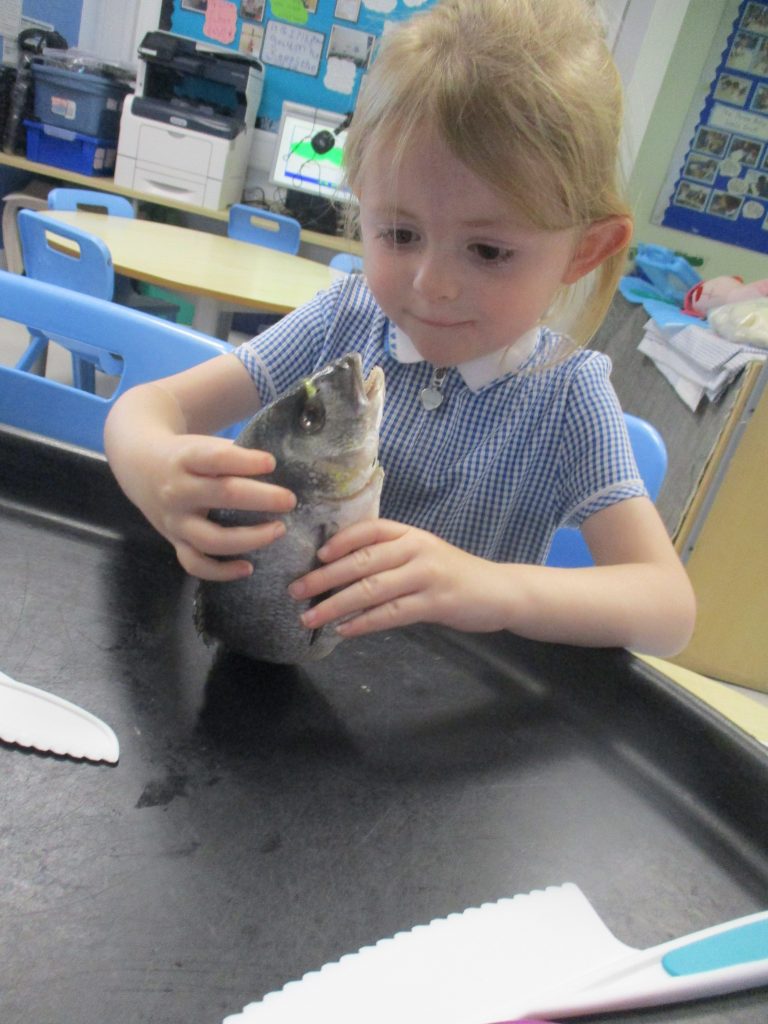
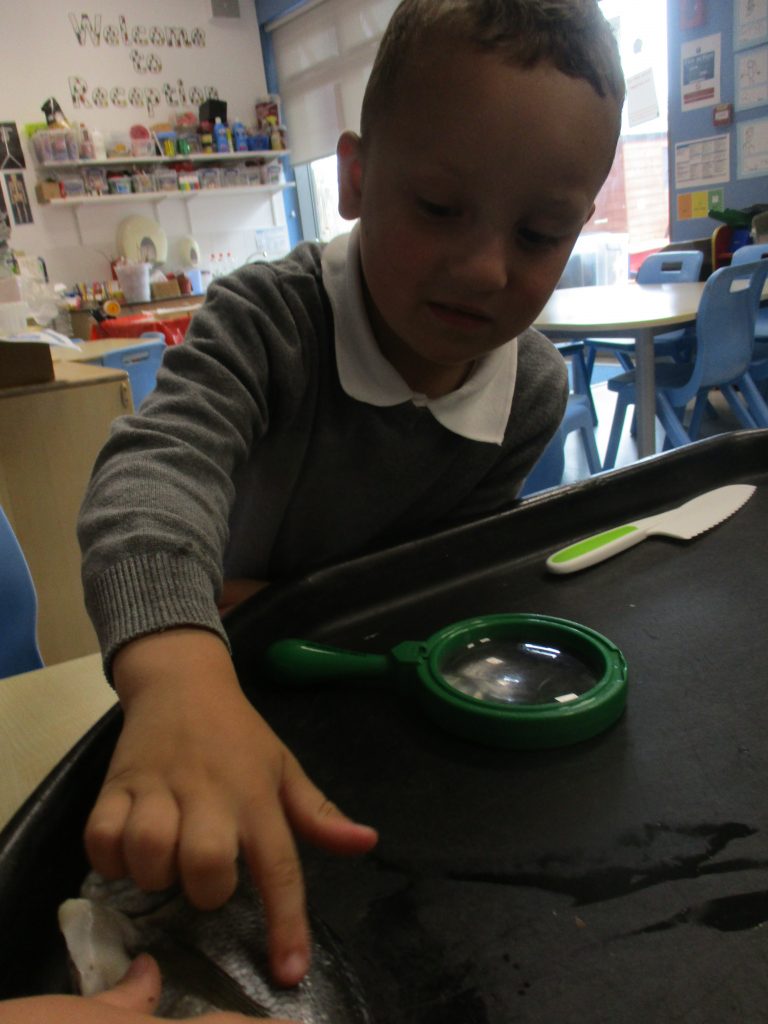
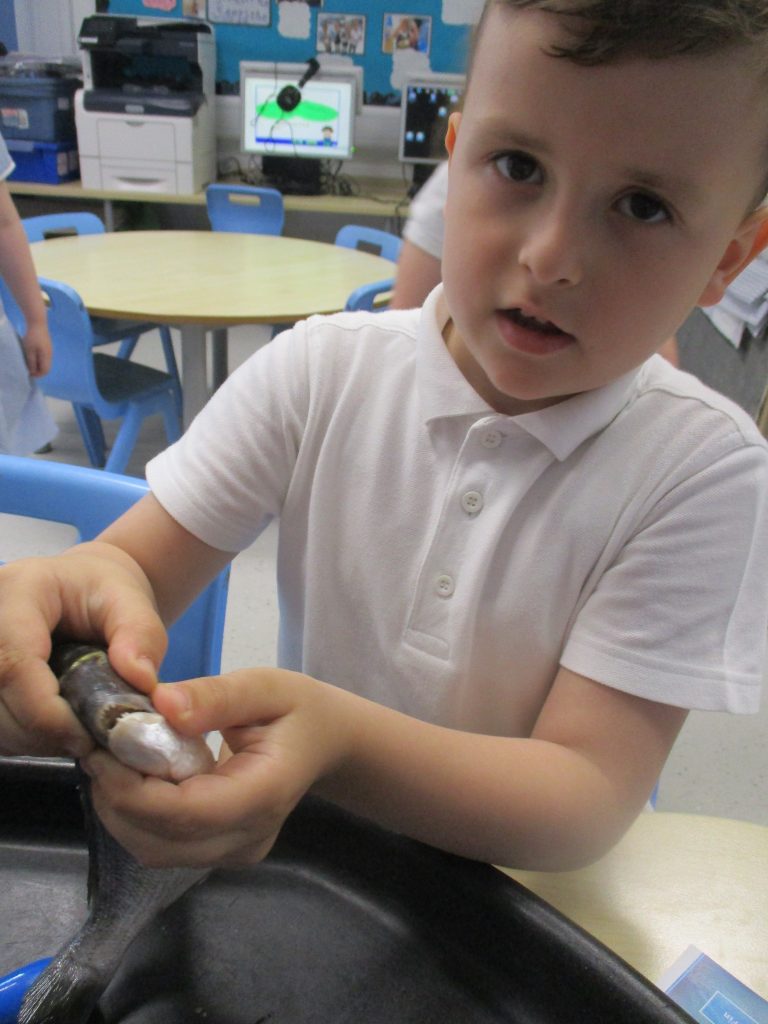
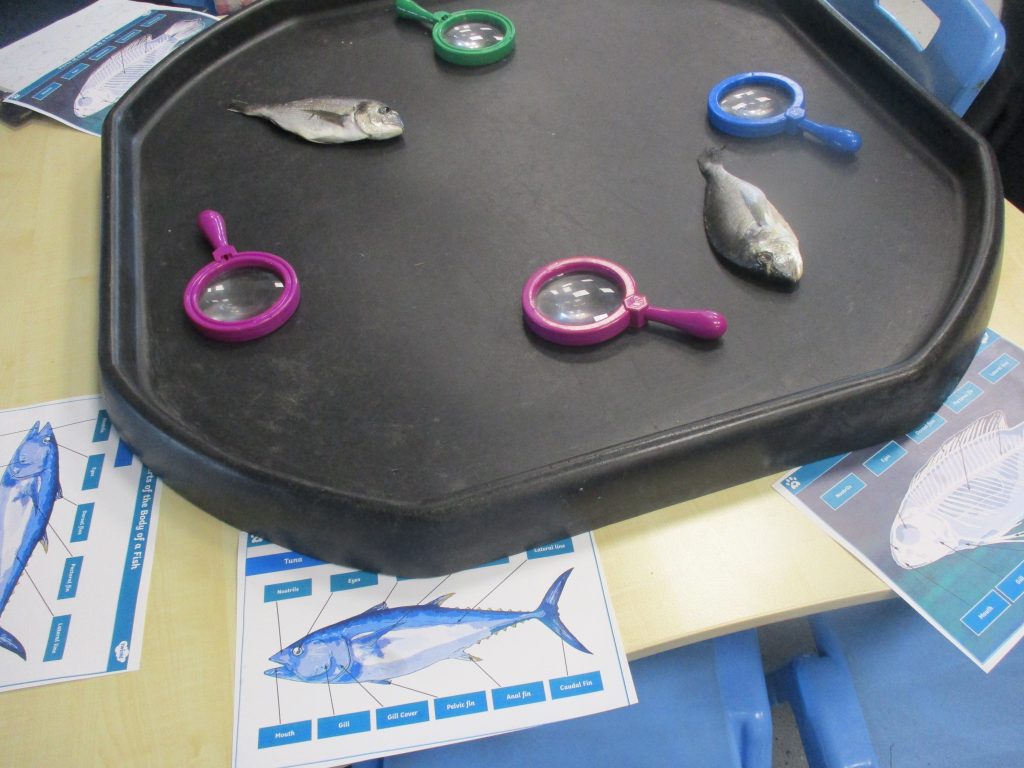
As part of our animal topic the children in Reception have been learning about animals that live in the sea. Miss Waugh brought in two whole sea bream and the children loved being able to get involved and being hands-on so that they could experience things for themselves.
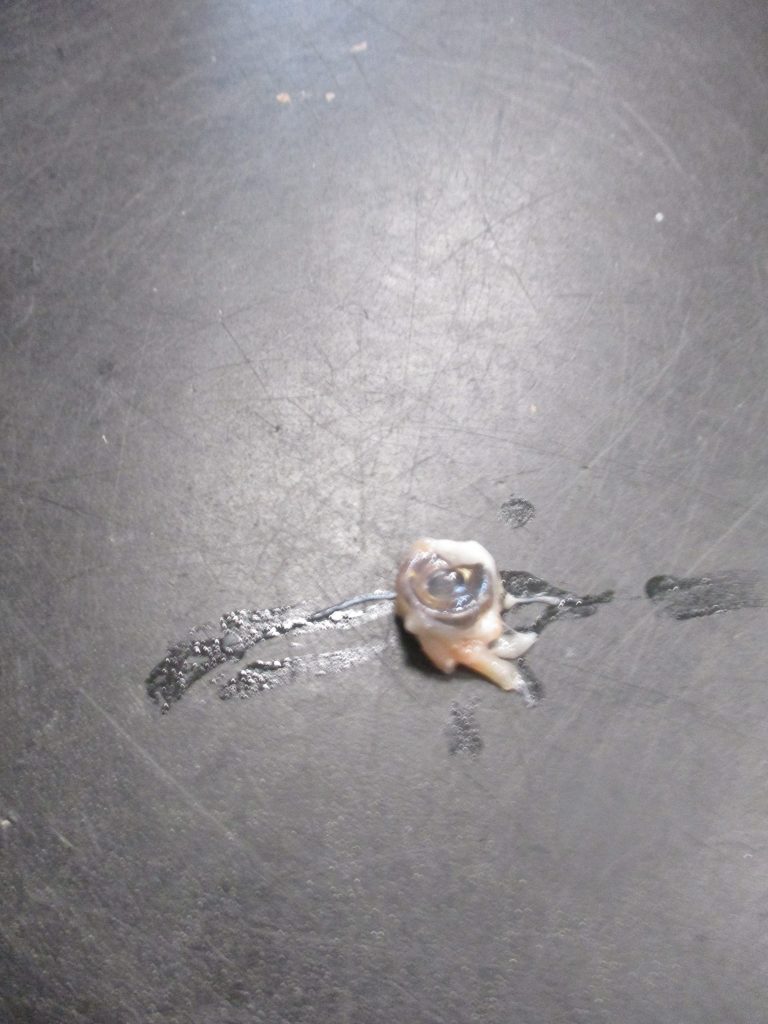
Many of the children had not seen a whole fish before. We encouraged them to look at the scales and patterns and then provided the opportunity for them to touch the scales and feel the texture. They talked about the different types of fins, such as the dorsal fin, which they learnt protects the fish from rolling in the water, and the caudal fin, which is the tail and helps to propel the fish through the water and enables it to swim. They also used the knives to cut off the fins, remove the eyes and open up the fish to look inside.
The children saw that the sea bream had a small white tongue and small, sharp teeth, which they use for crunching up barnacles and other small shellfish. They also saw that on either side of the fish’s head are gills, which they learned they have instead of lungs. They found out that these help the fish to ‘breathe’ under water by removing oxygen from the water. They also discussed the lateral line running down the length of the fish’s body, which is their ‘ears’ and helps the fish to detect movement and vibrations in the water.
Primary Engineers- Railway Project
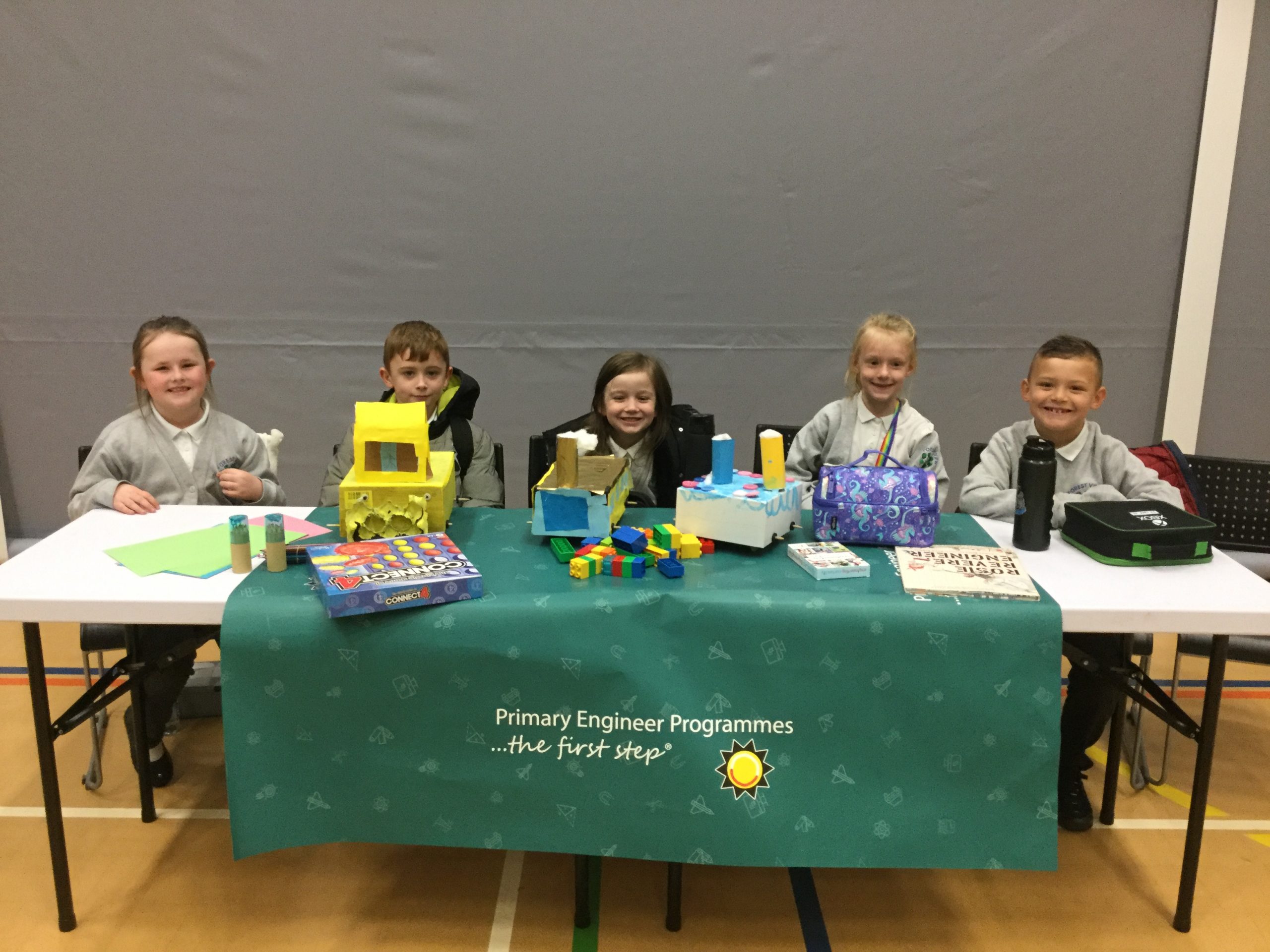
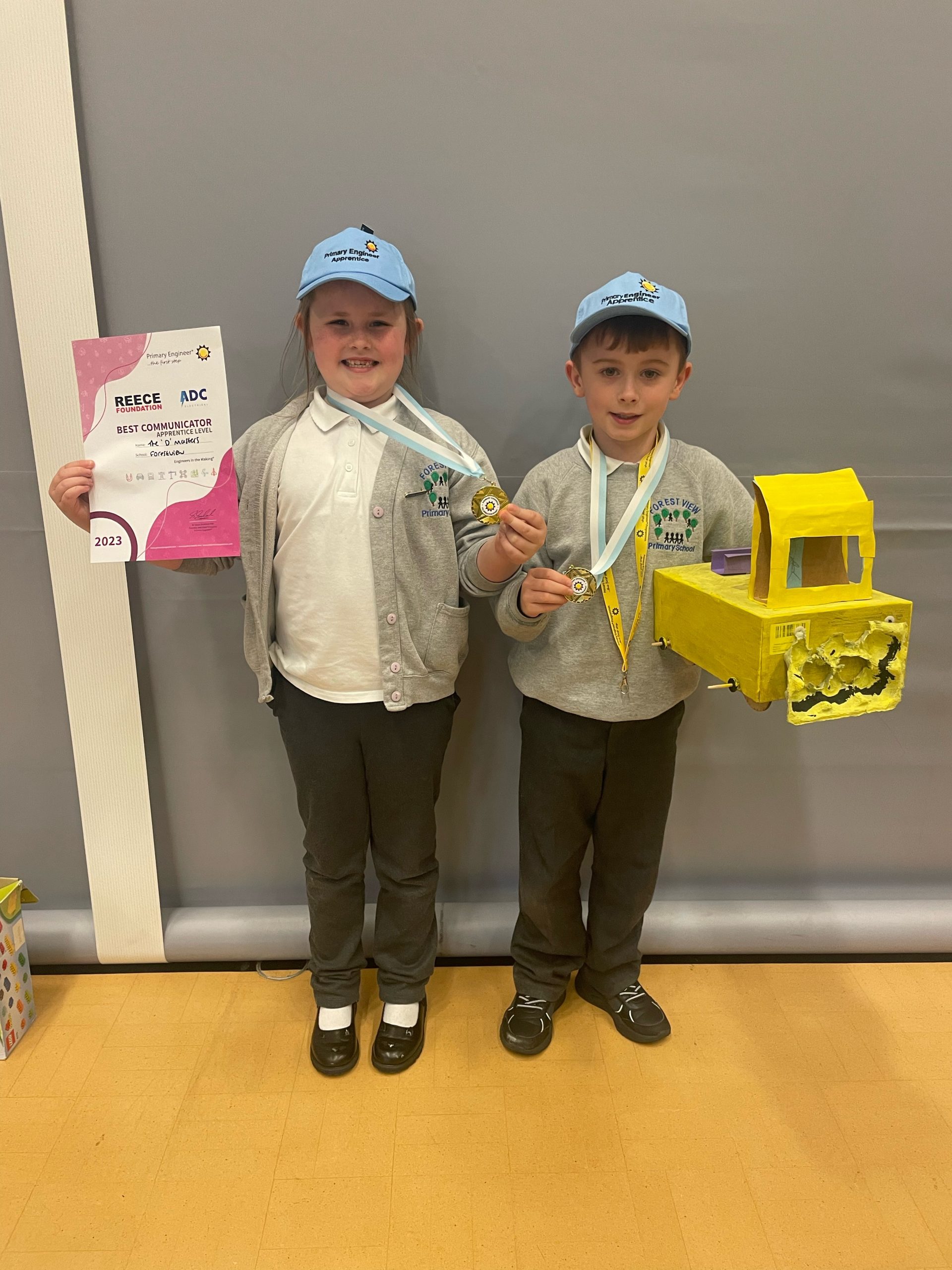
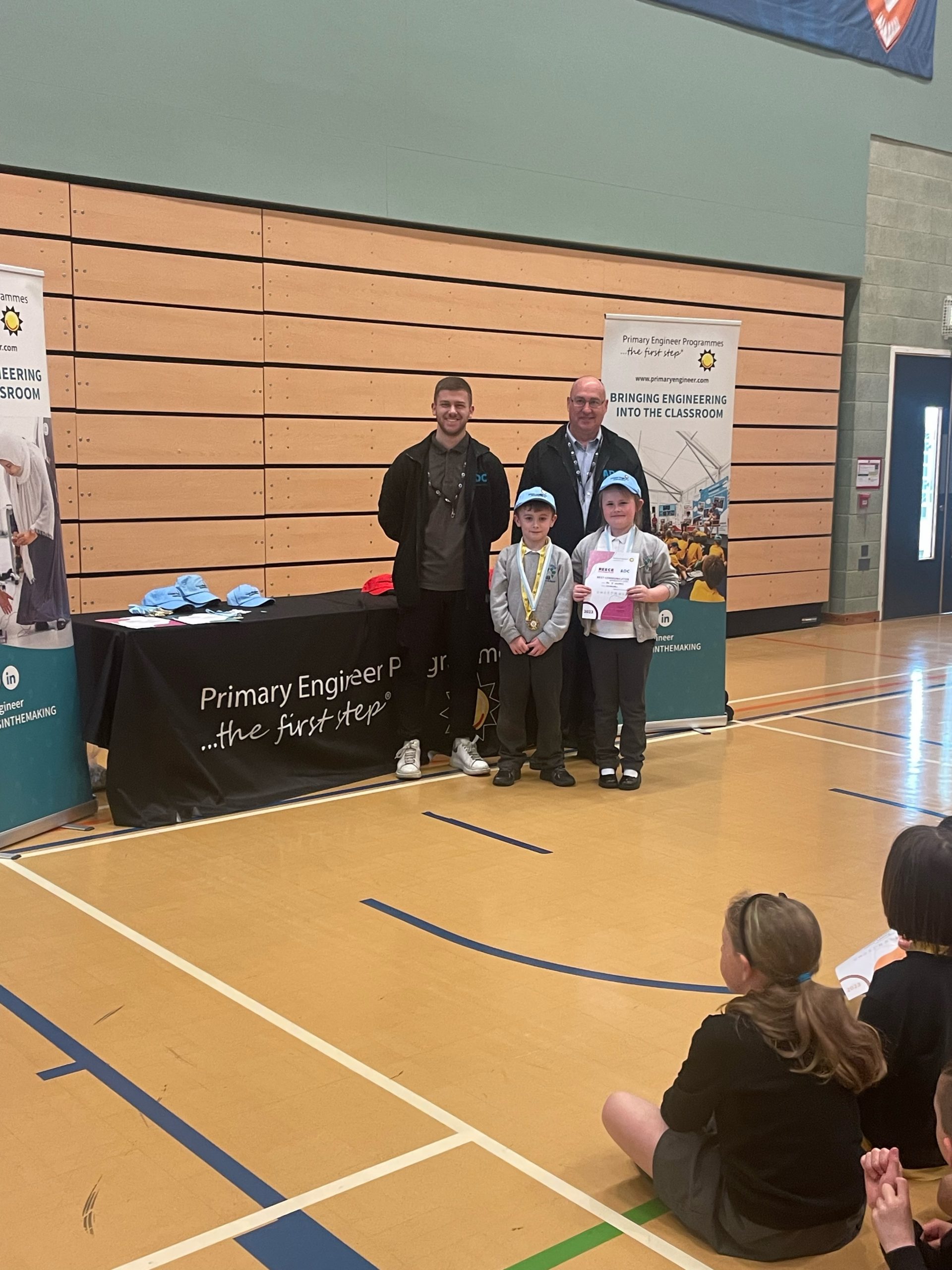
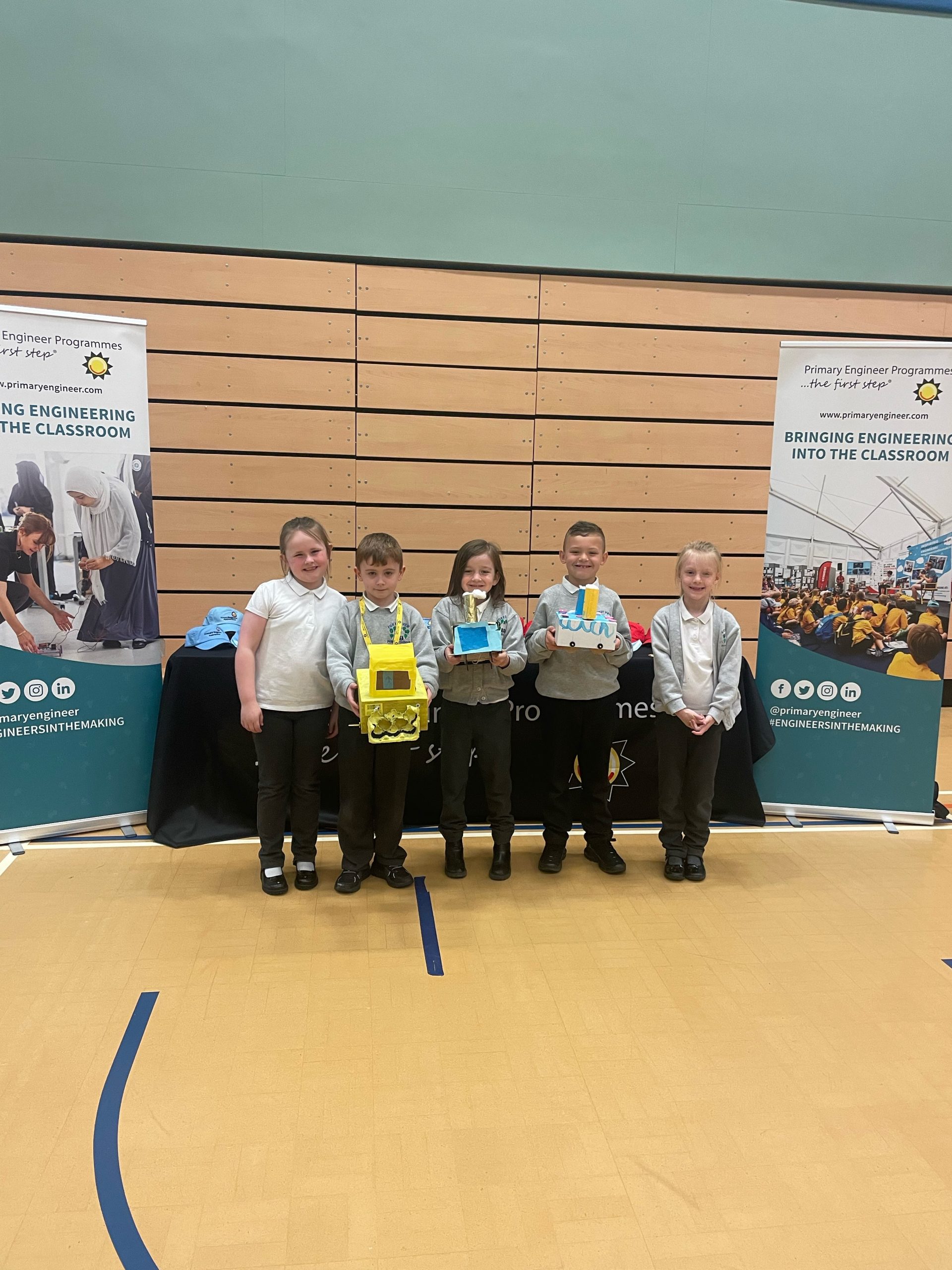
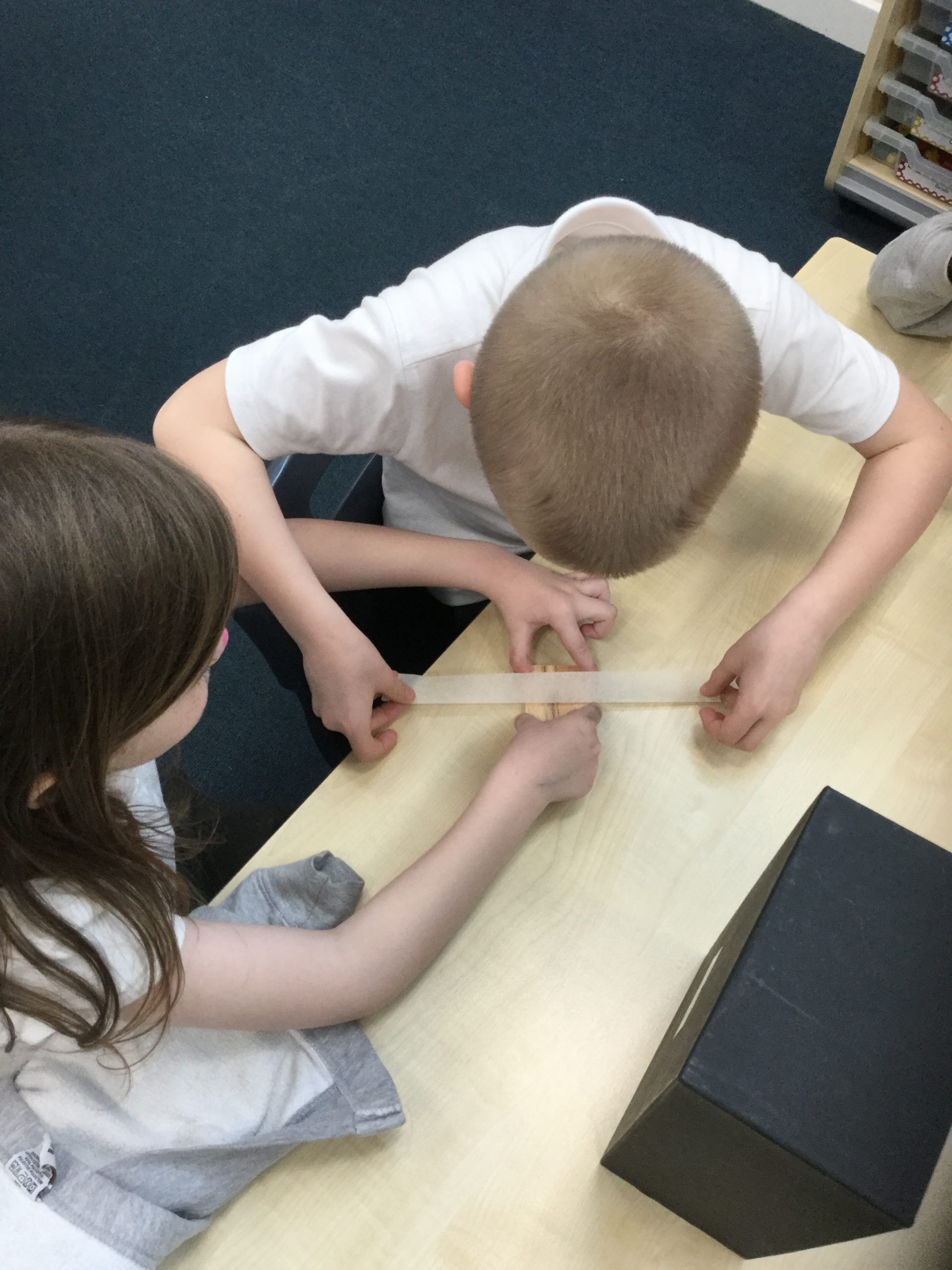
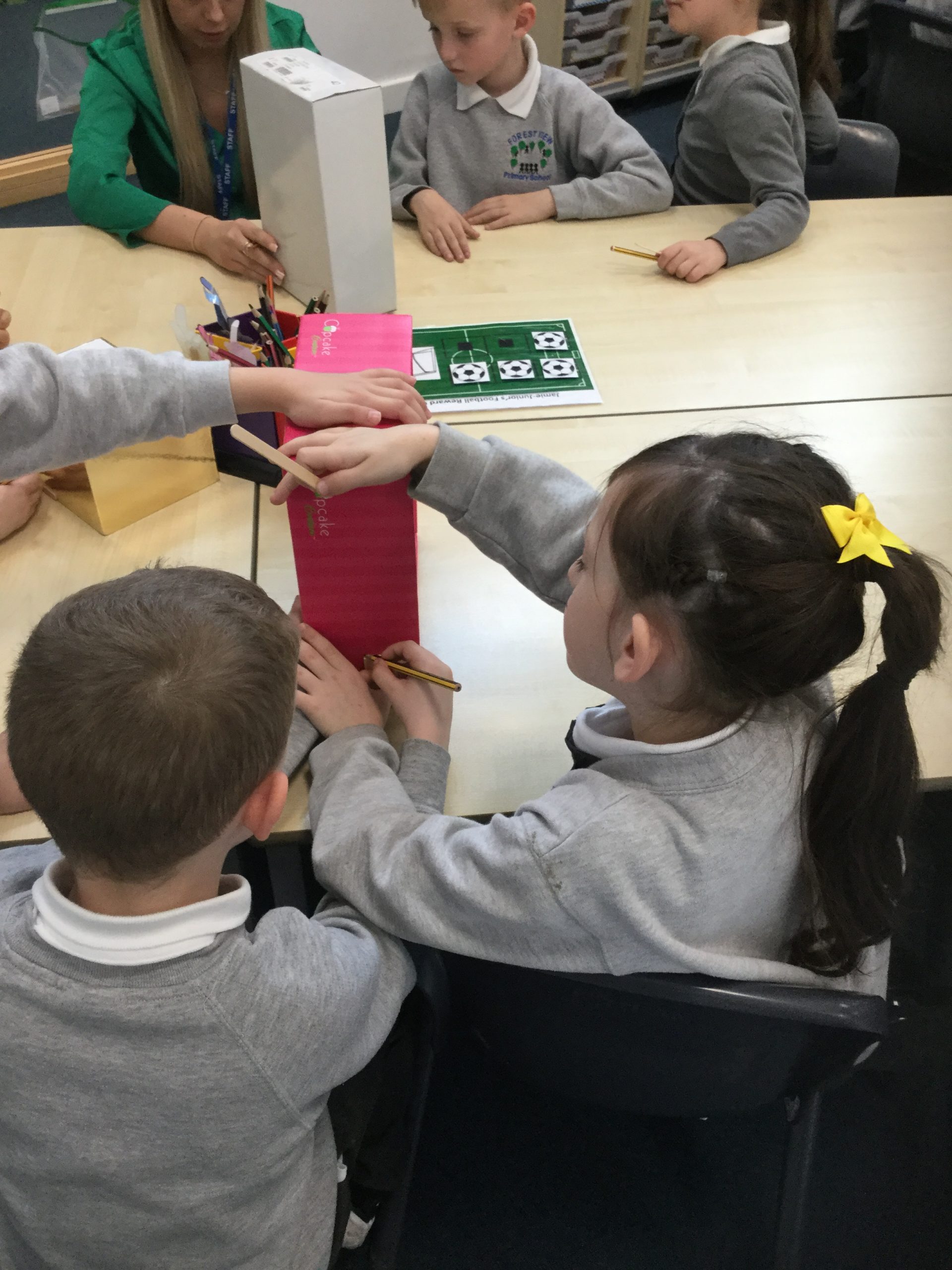
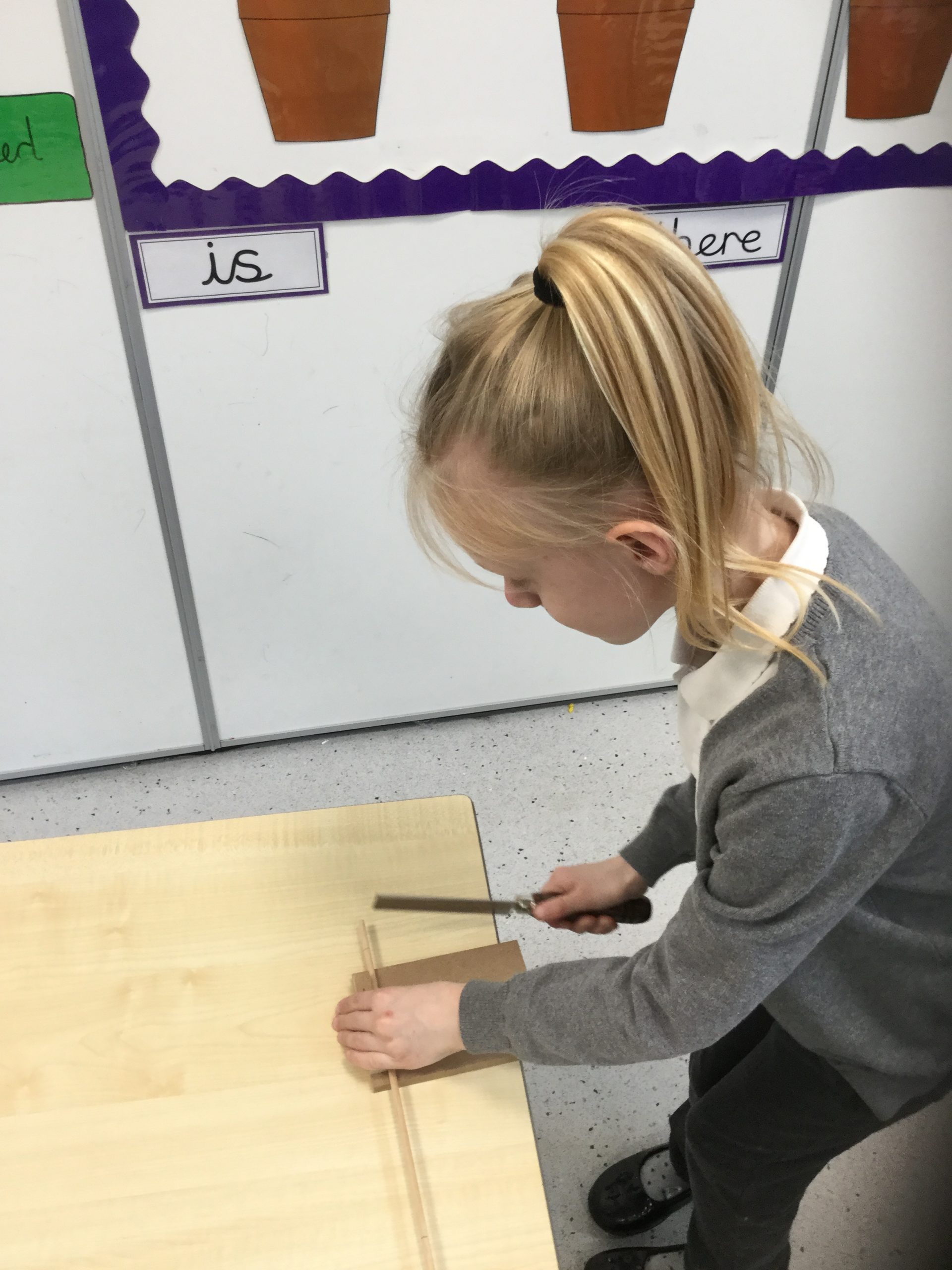
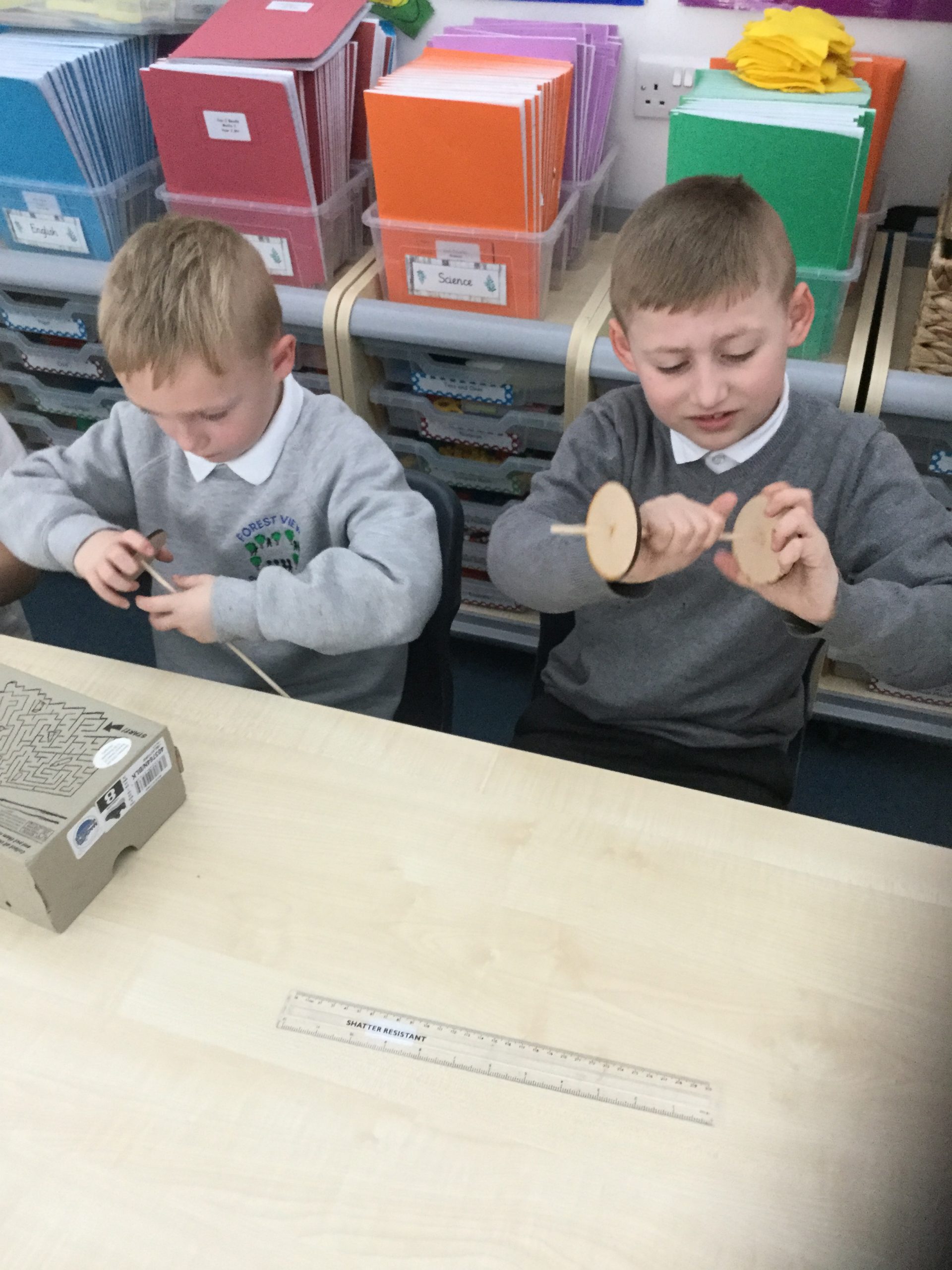
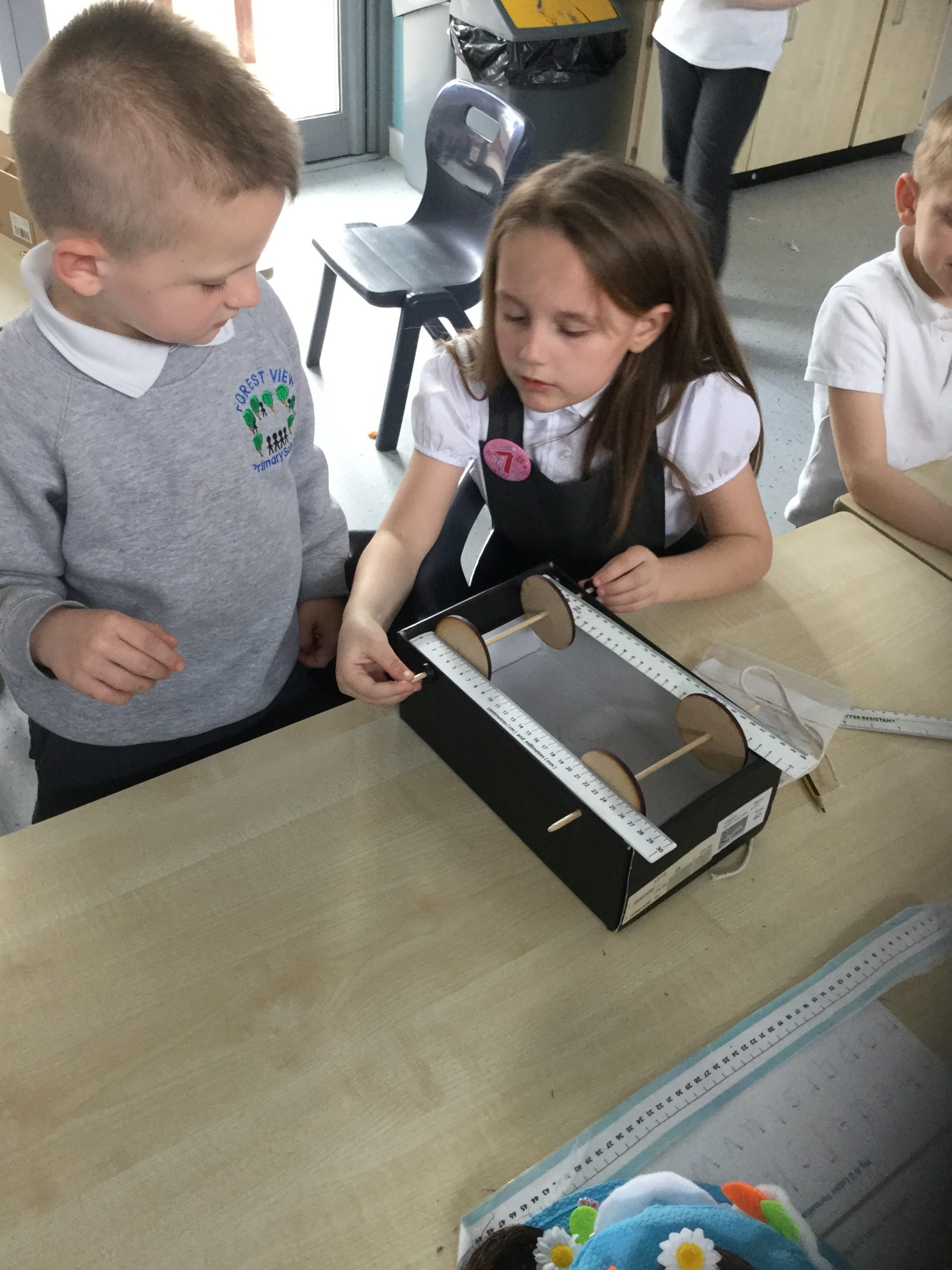
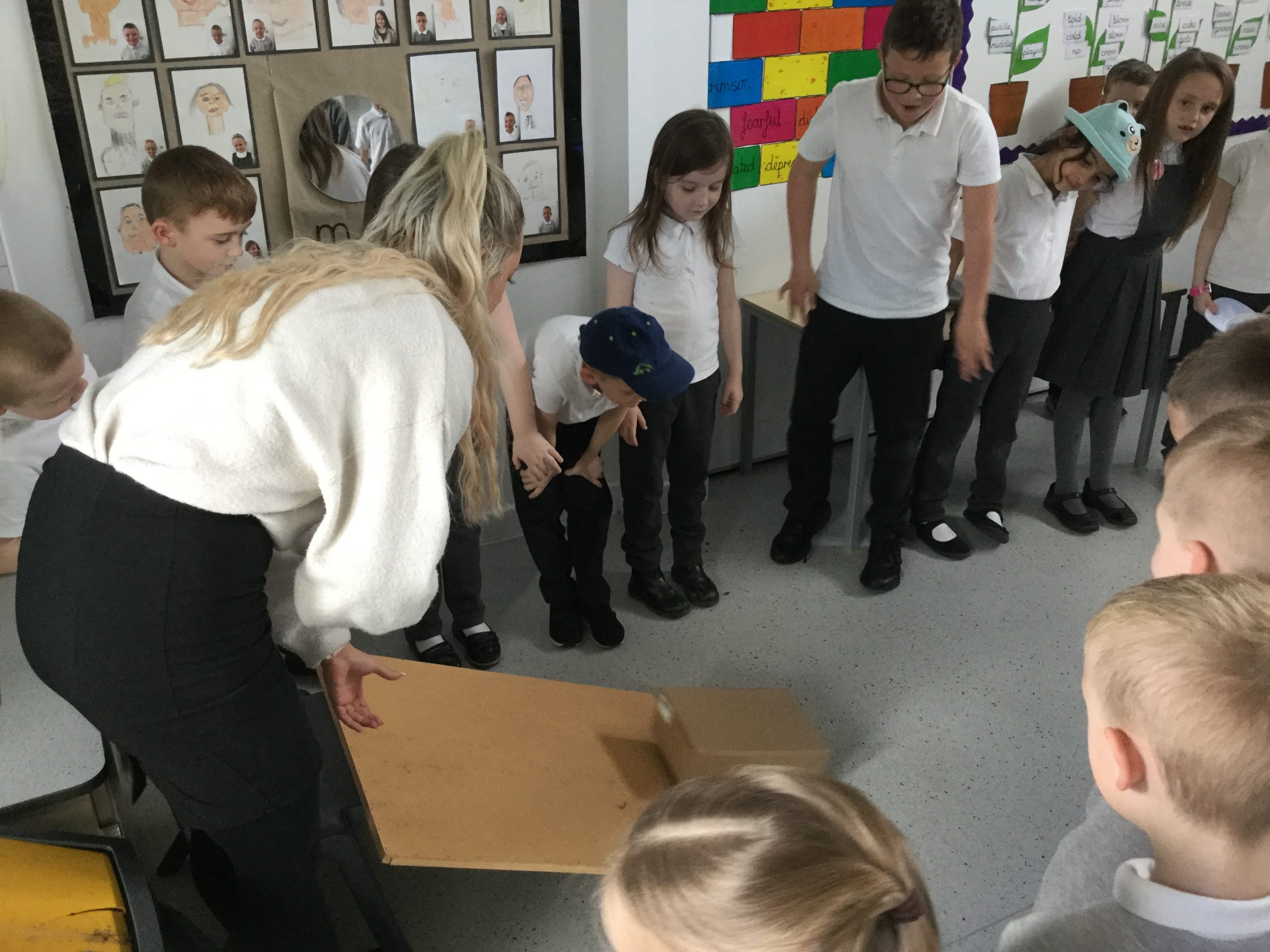
All children in Y2RH took part in The Primary Engineer Rail Project. It is a creative, practical project using rail engineering as the vehicle which aims to inspire and educate the next generation of engineers and help create a diverse future workforce for the rail sector. The children worked in small groups to produce a vehicle with axels, wheels and a braking system which stopped the vehicle at 4m. A small number of children were then invited to a celebration event at The University of Sunderland where they tested their vehicles and celebrated their success. The children had the chance to interview engineers and Jay-J and Charlotte won a medal and certificate for the ‘best communicators’. The engineers were very impressed with their knowledge and their questioning skills.
Washington Wetland Centre Visit
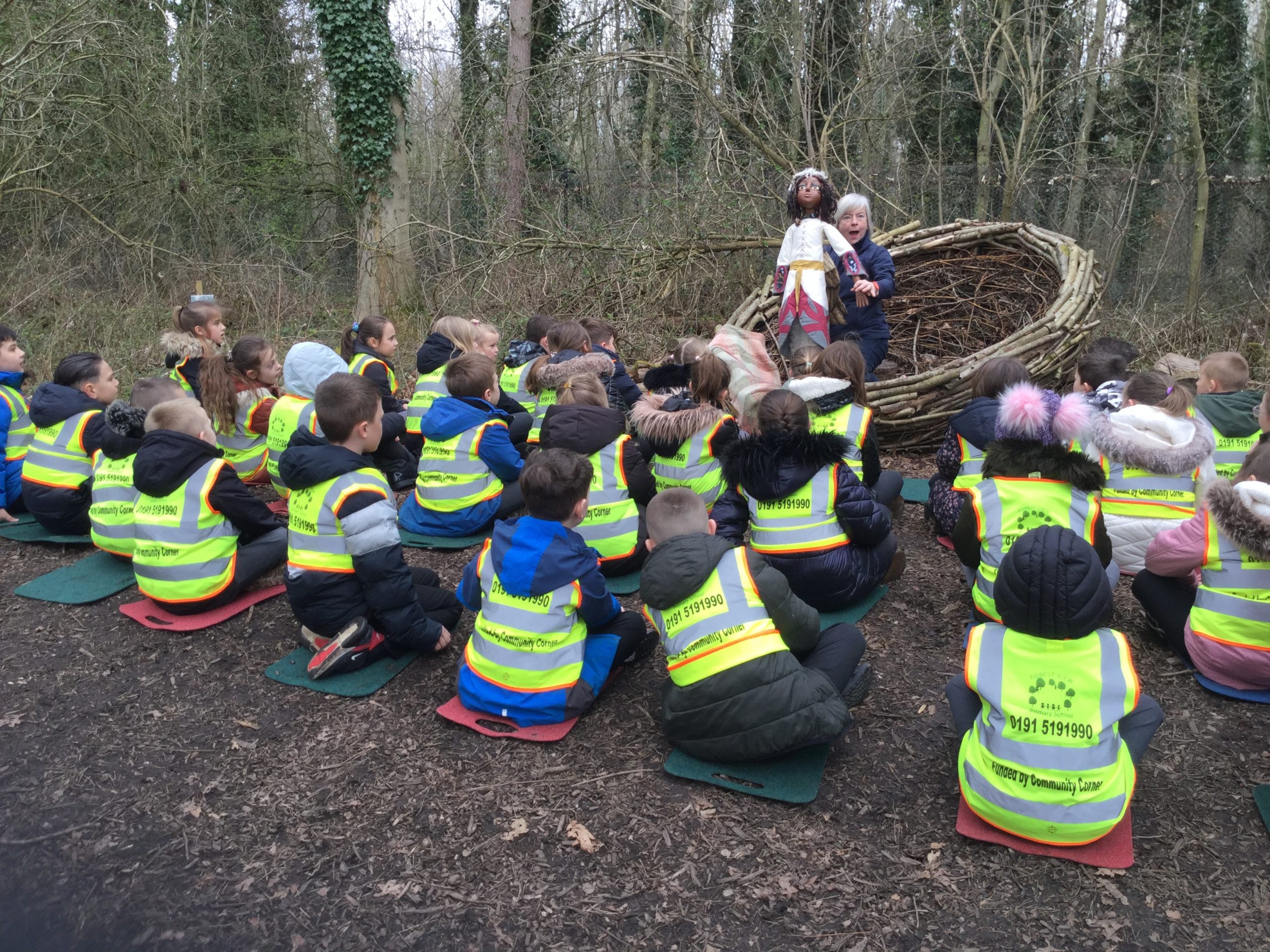
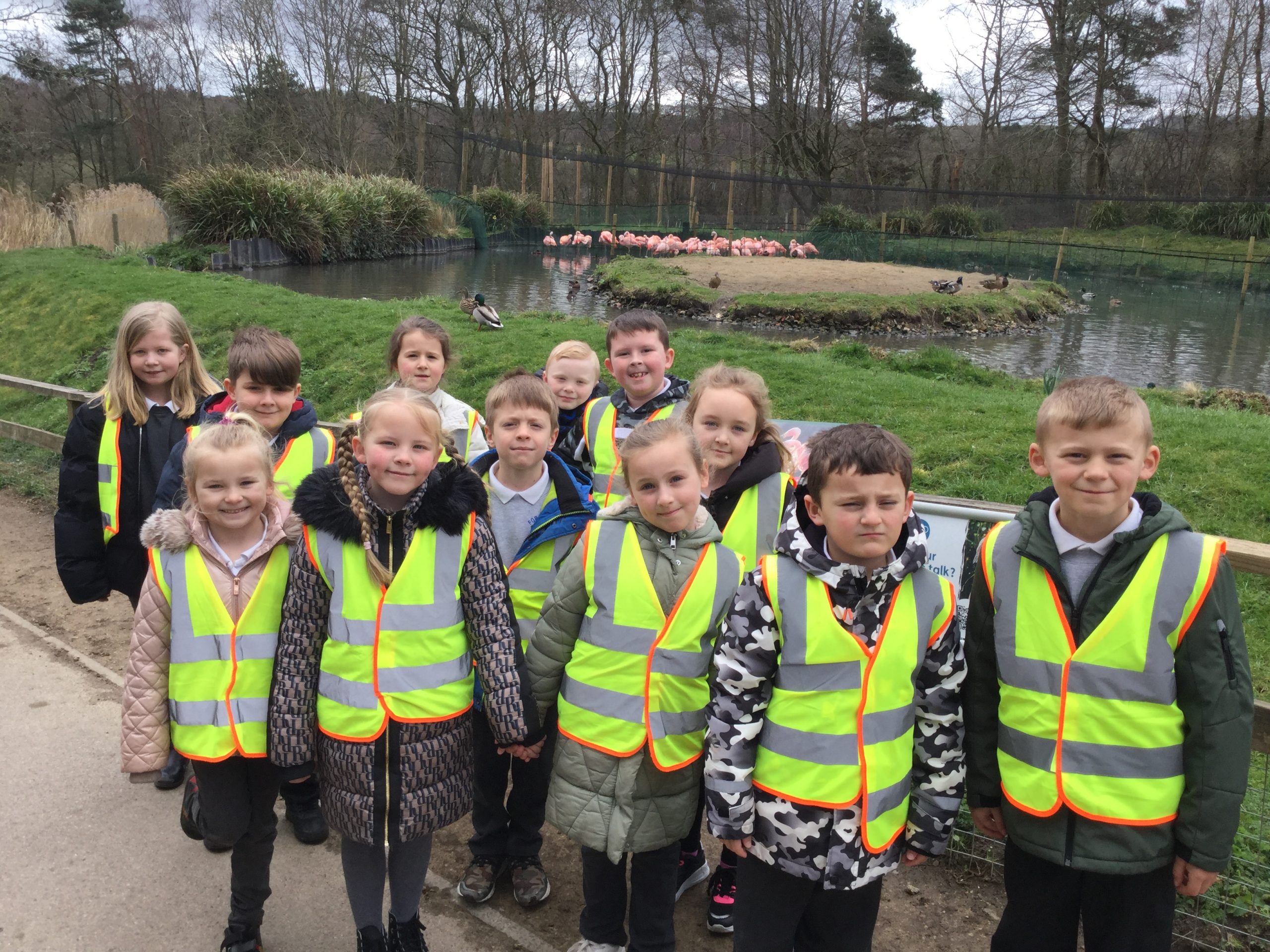
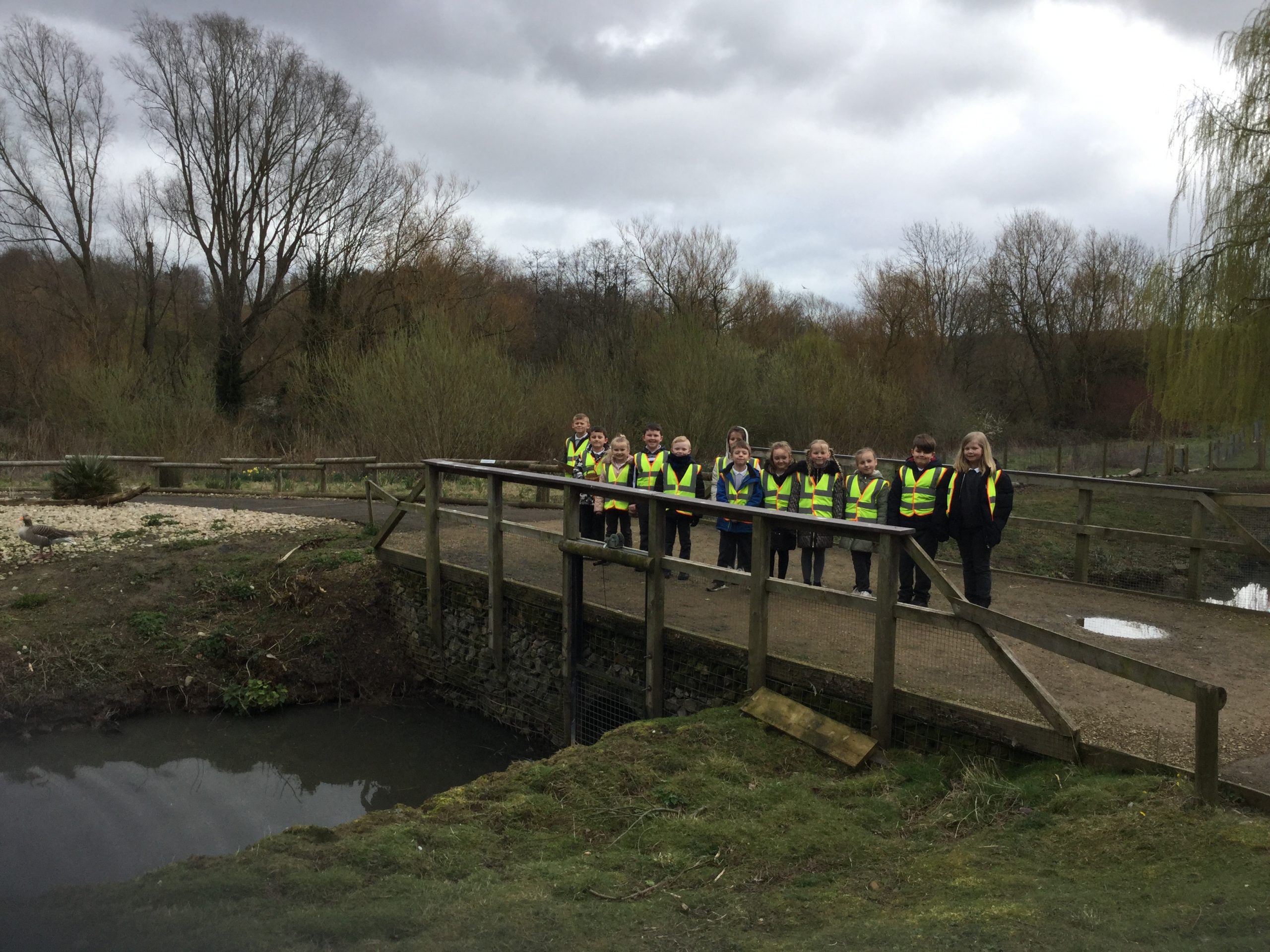
On Friday 24th March, Year 3 went to the Washington Wetland Centre on an exciting trip. They found out about many different animal habitats and how they survive and thrive in the wild. They became Guardians of the Wild as they discovered Ava the Osprey’s habitat and the journey she went on to arrive at the Wetlands. The children have achieved many wildlife badges by taking part in activities
STEM workshops
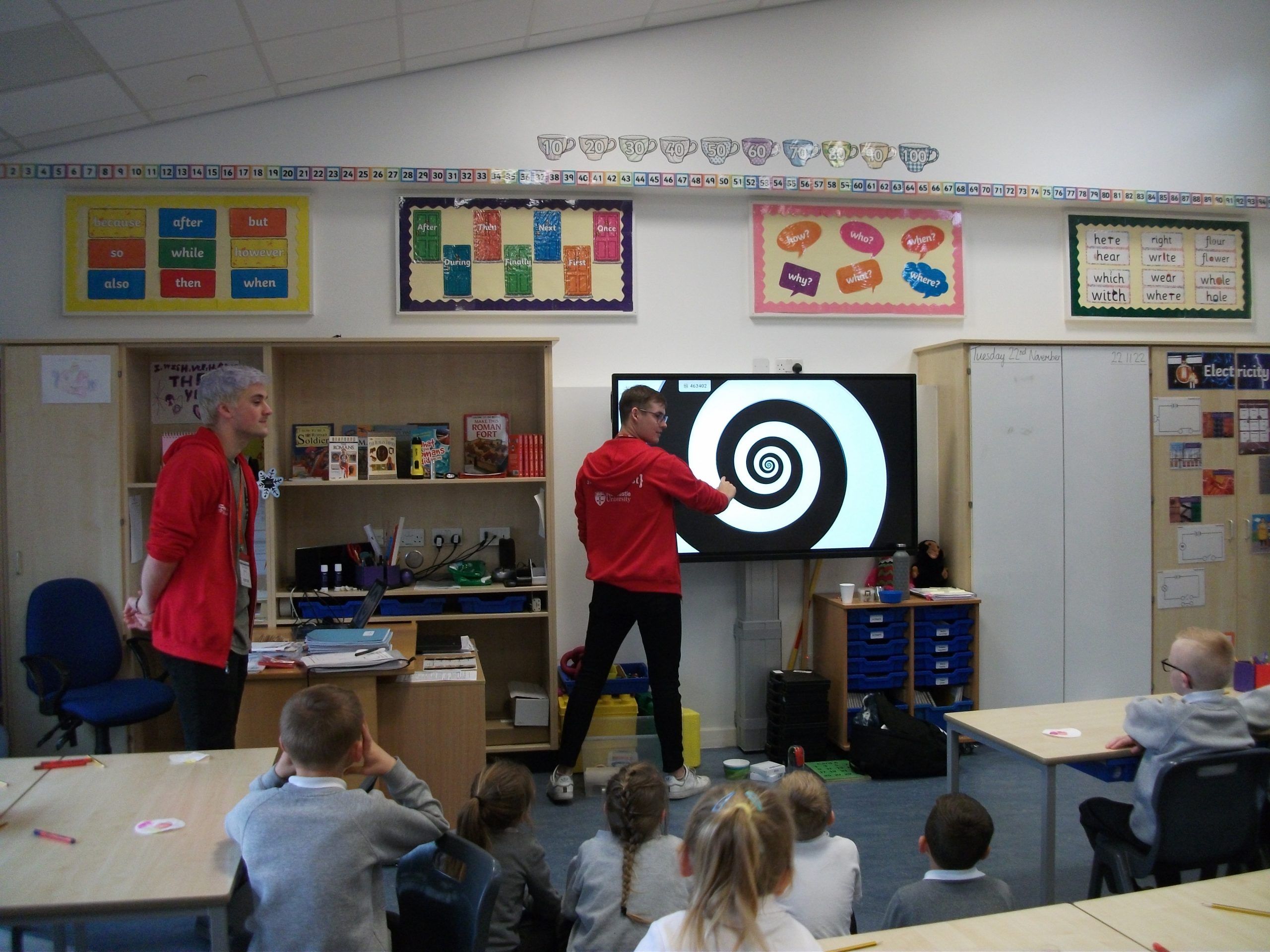
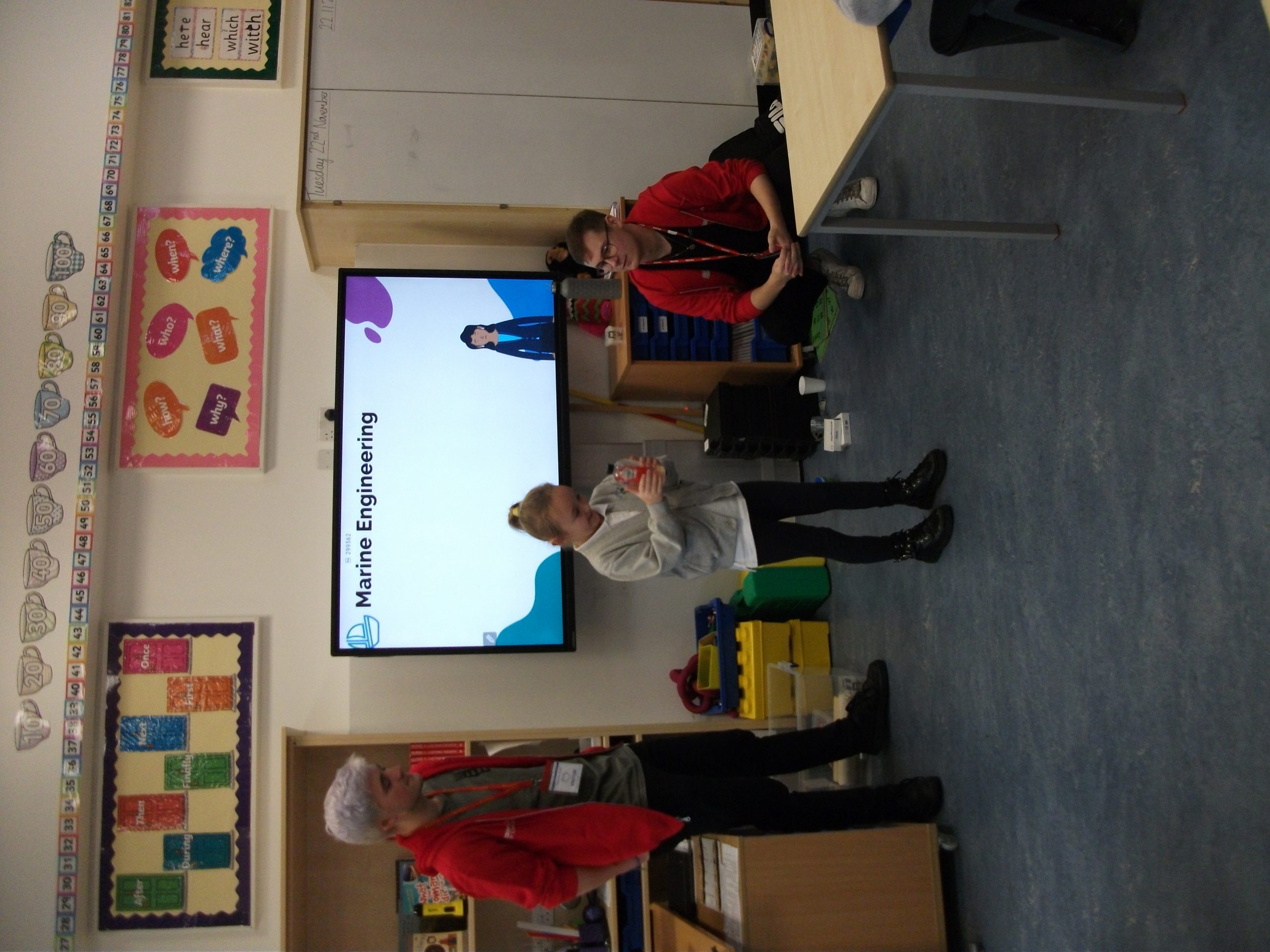
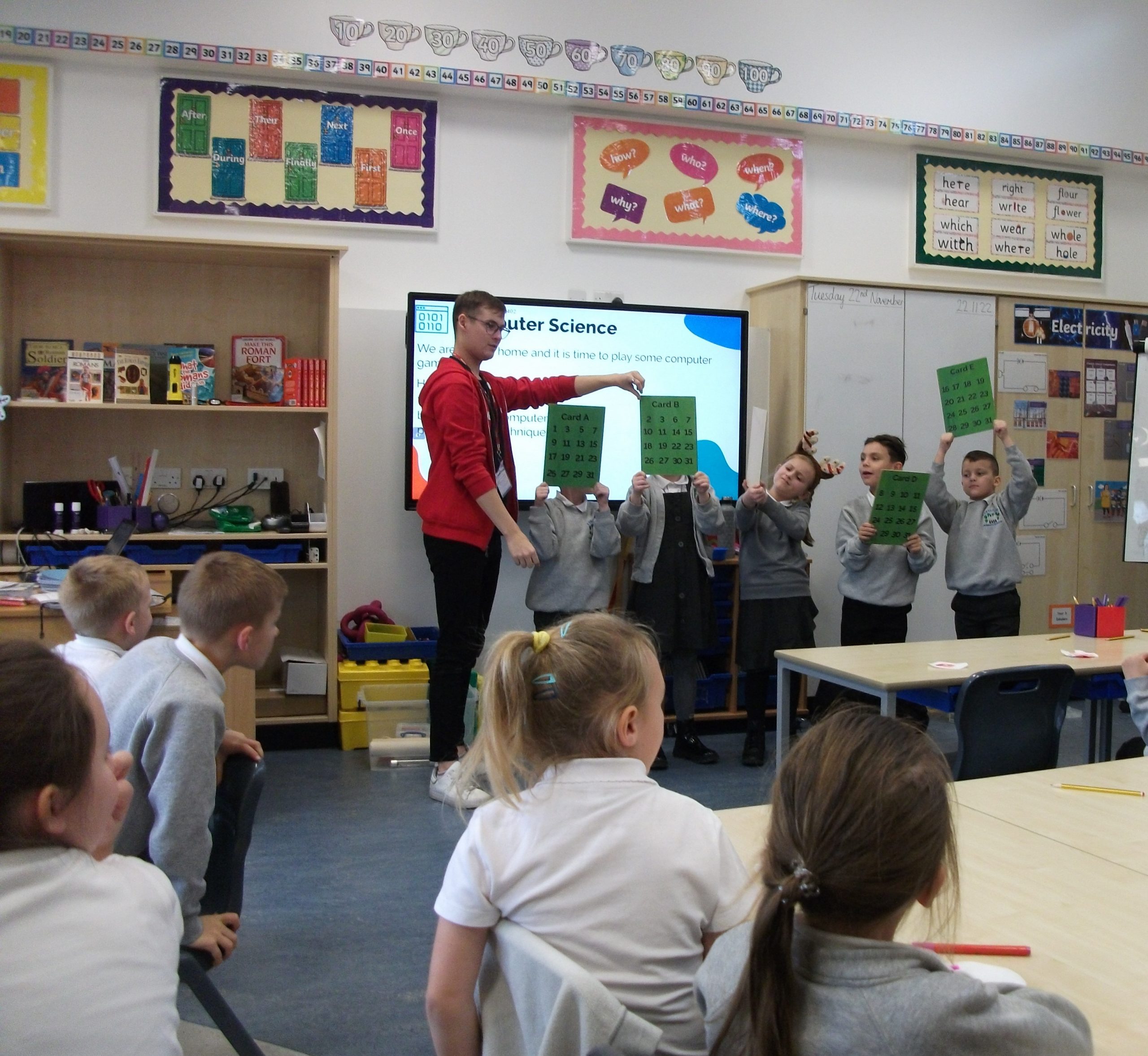
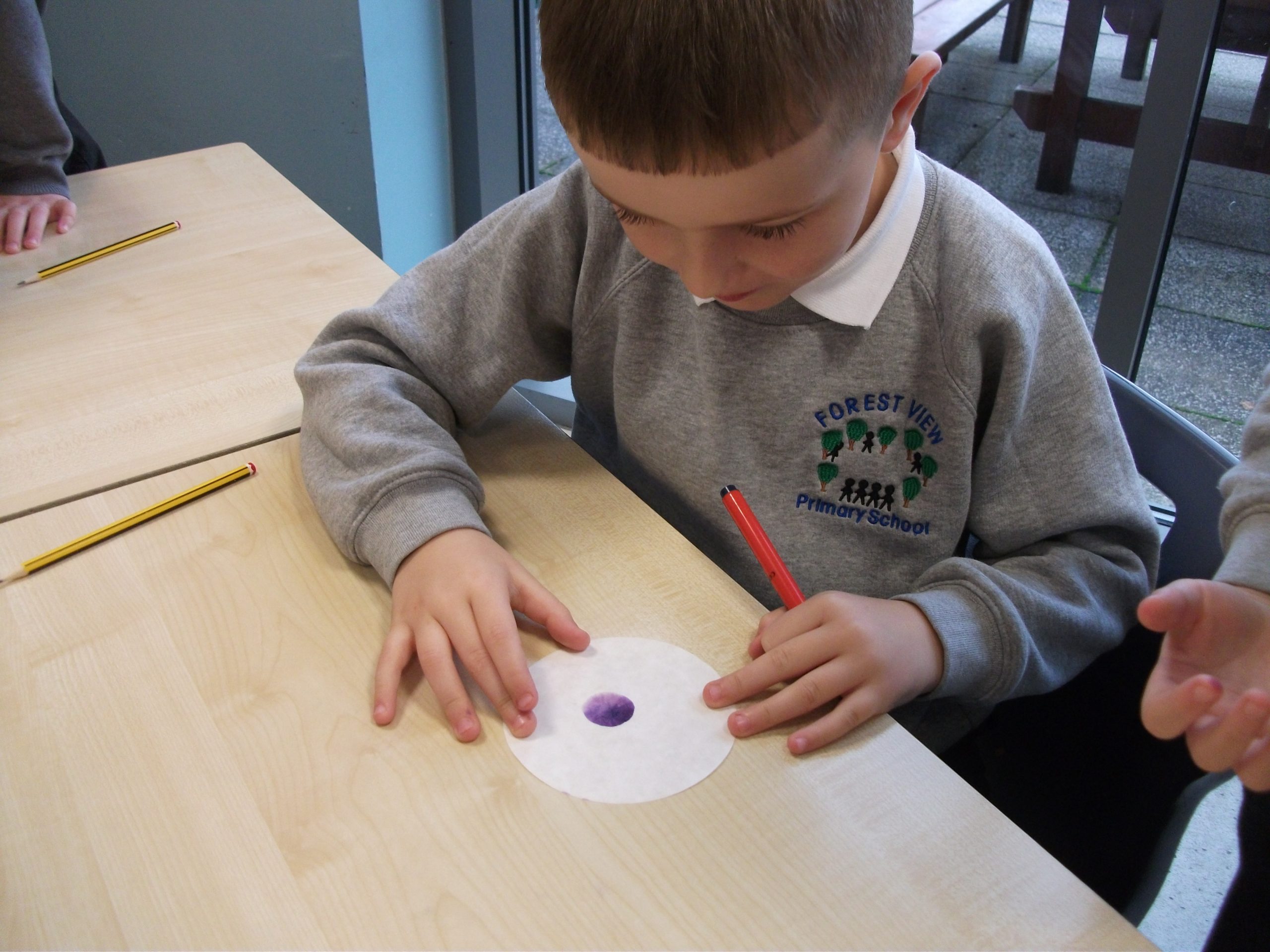
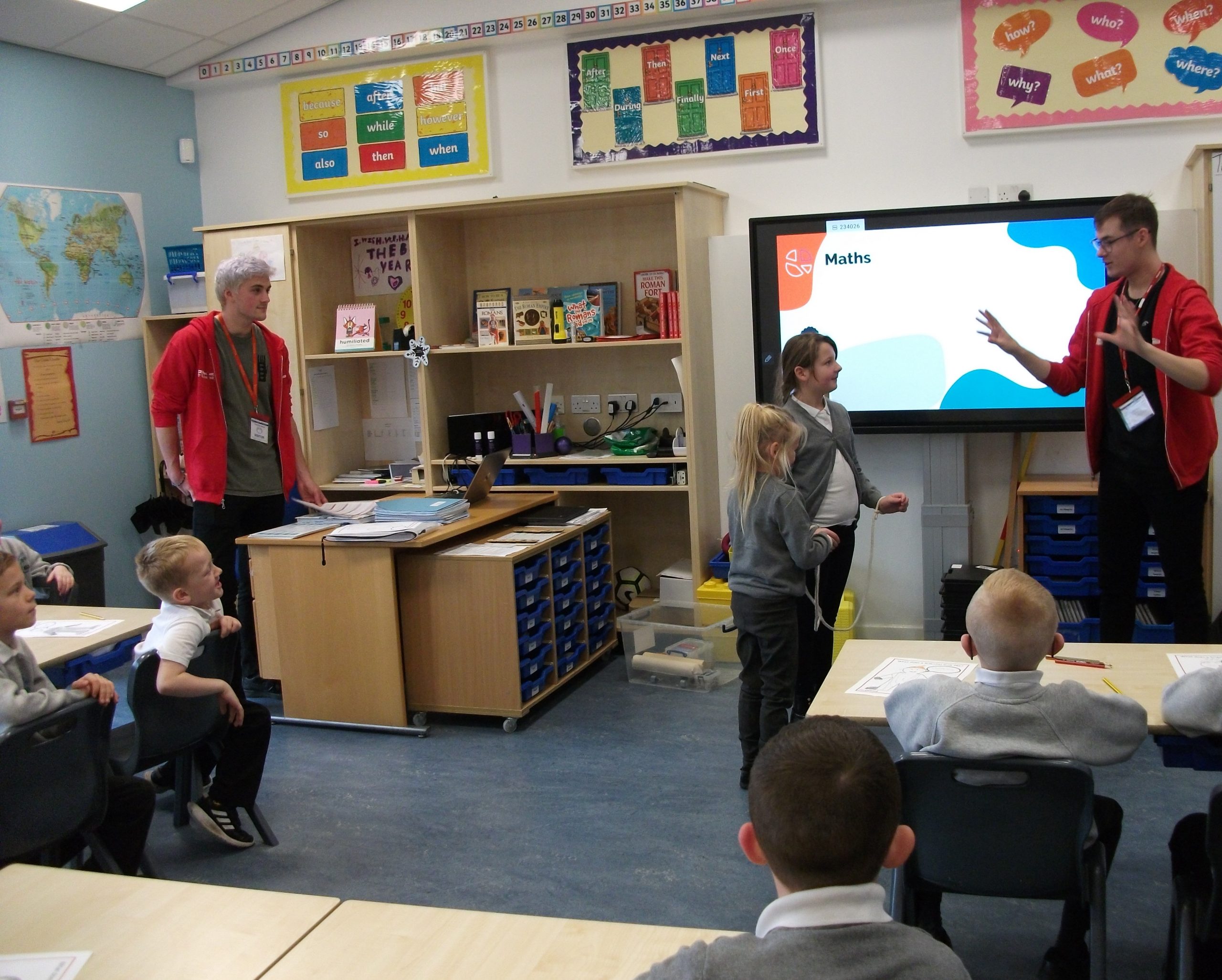
Key stage 2 were lucky enough to have visitors from Newcastle University today. The children took part in some STEM workshops covering a range of skills. They drew what they thought a scientist looked like, took part in a sound experiment with cups and slinky to project volume through denser objects, looked at binary numbers, used filter paper to investigate chromatography using filter paper, learnt about hypnotising and classified using classification charts.
KS1 Autumn Walk
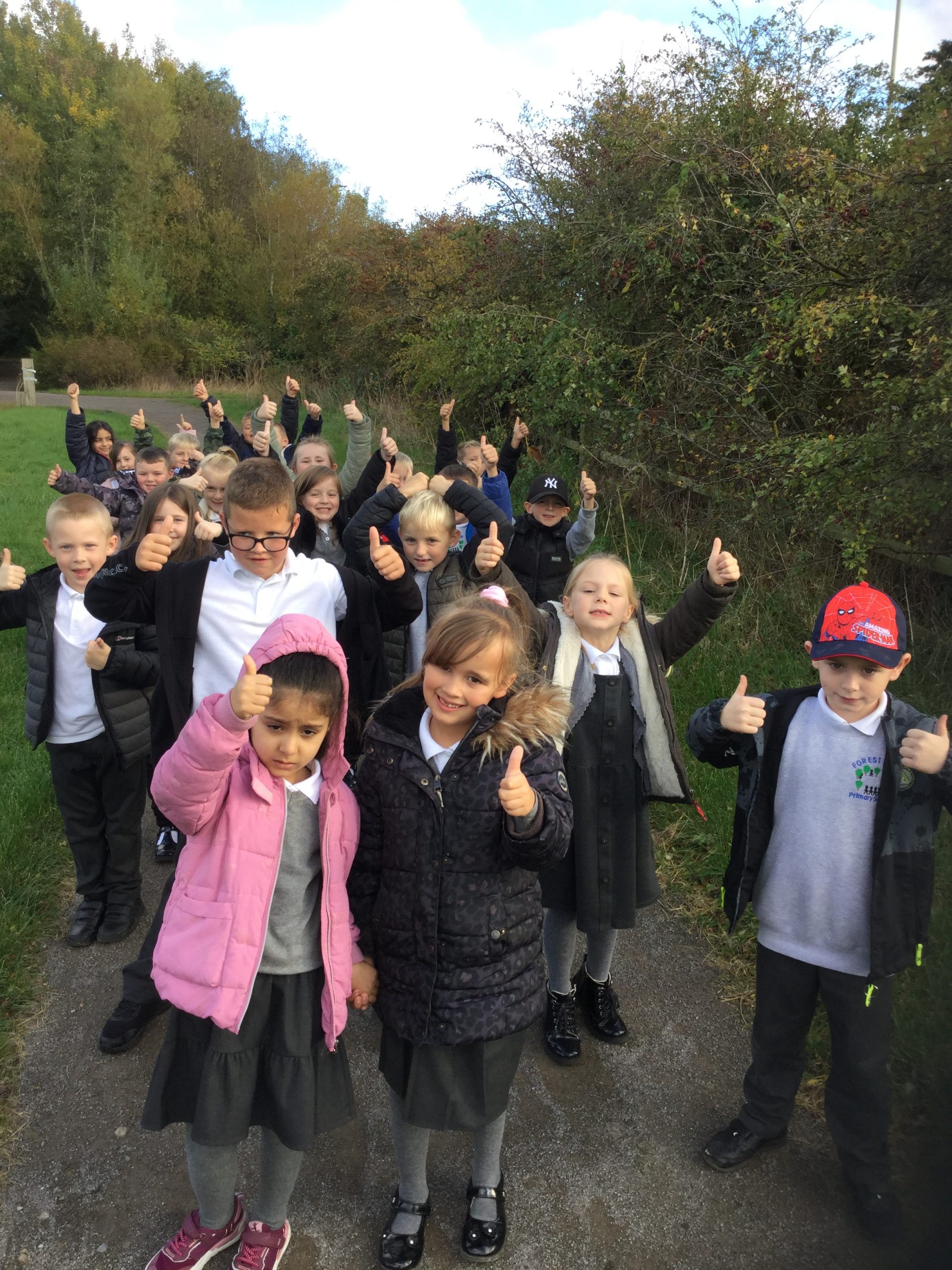
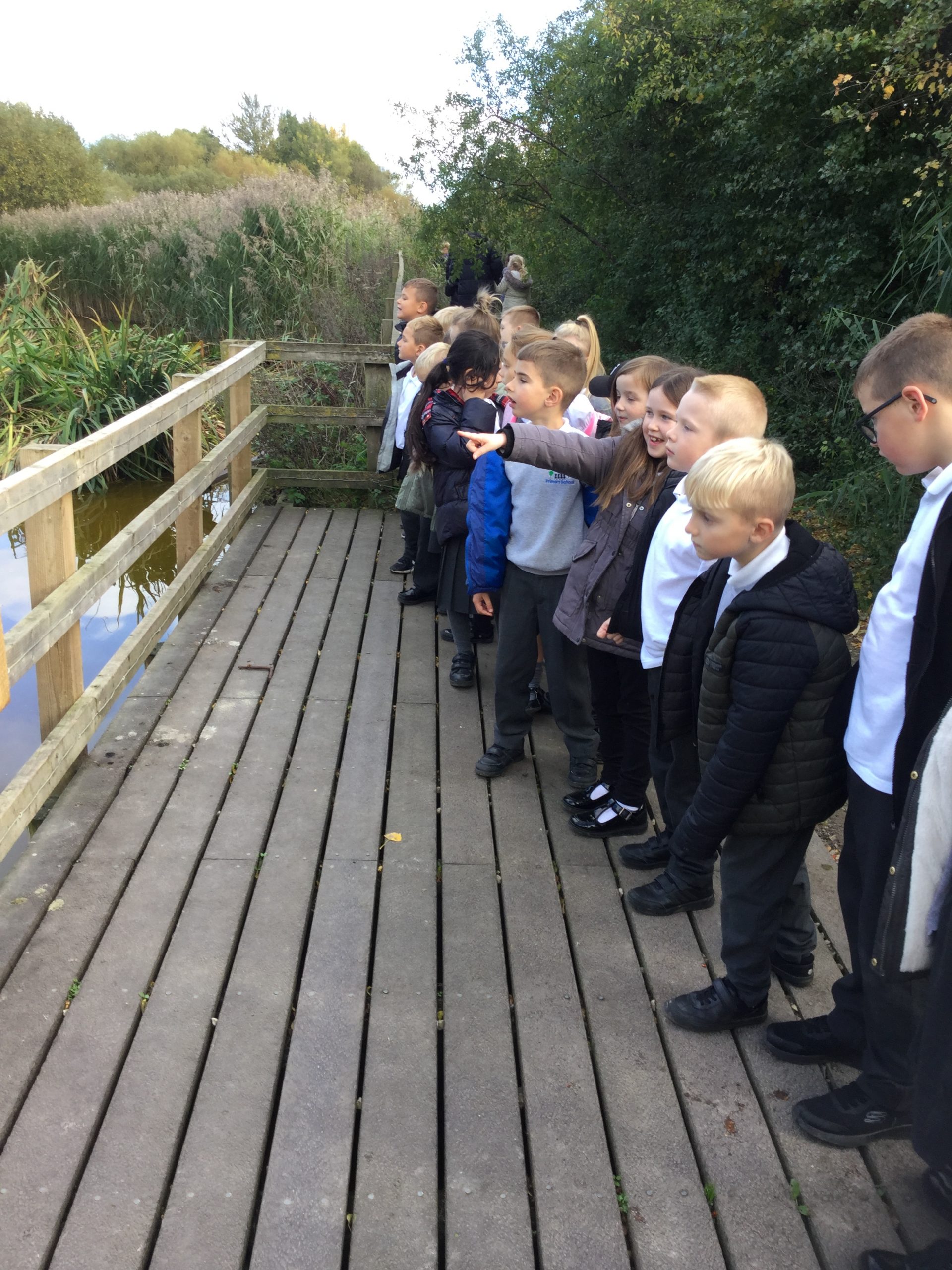
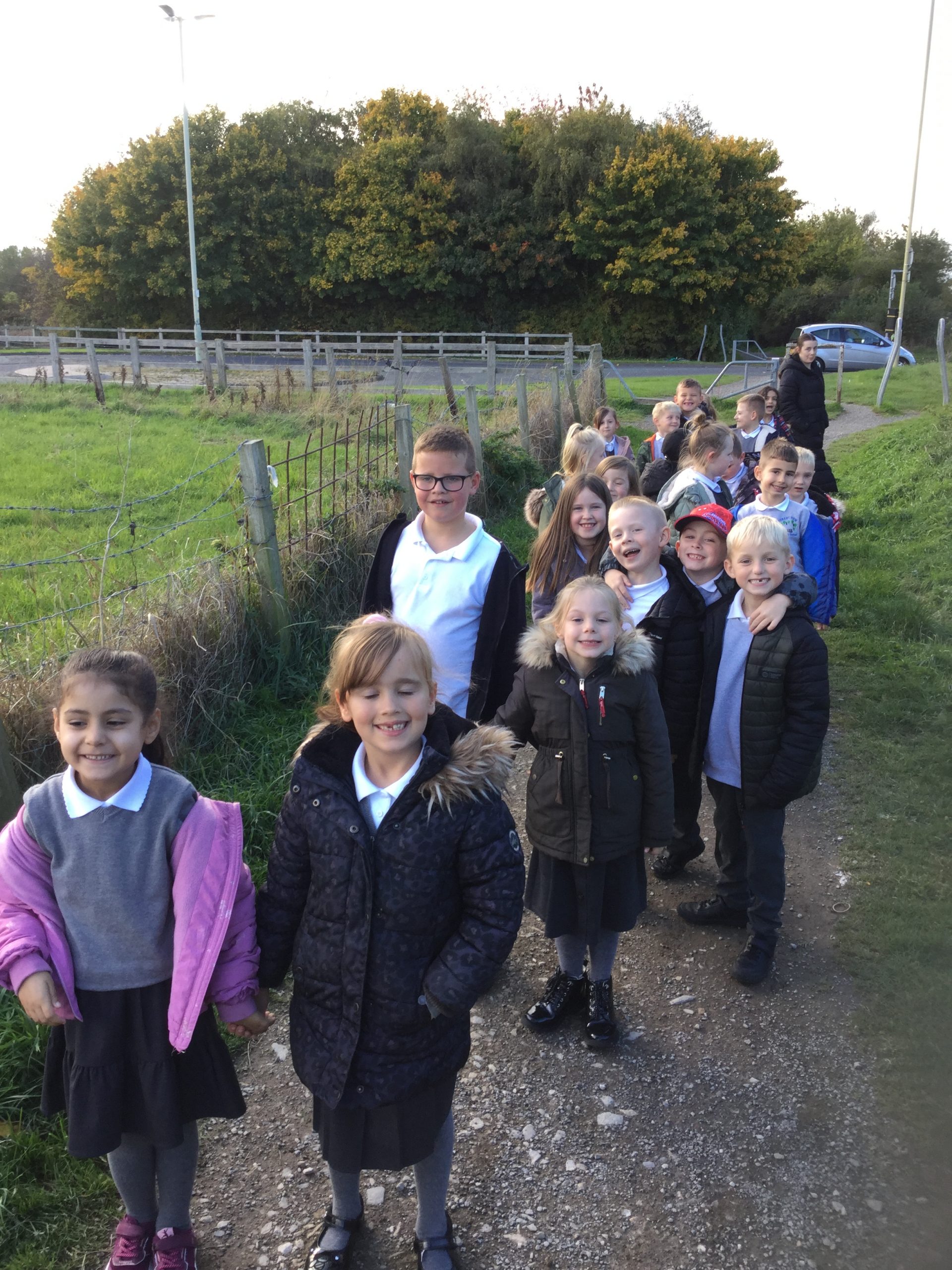
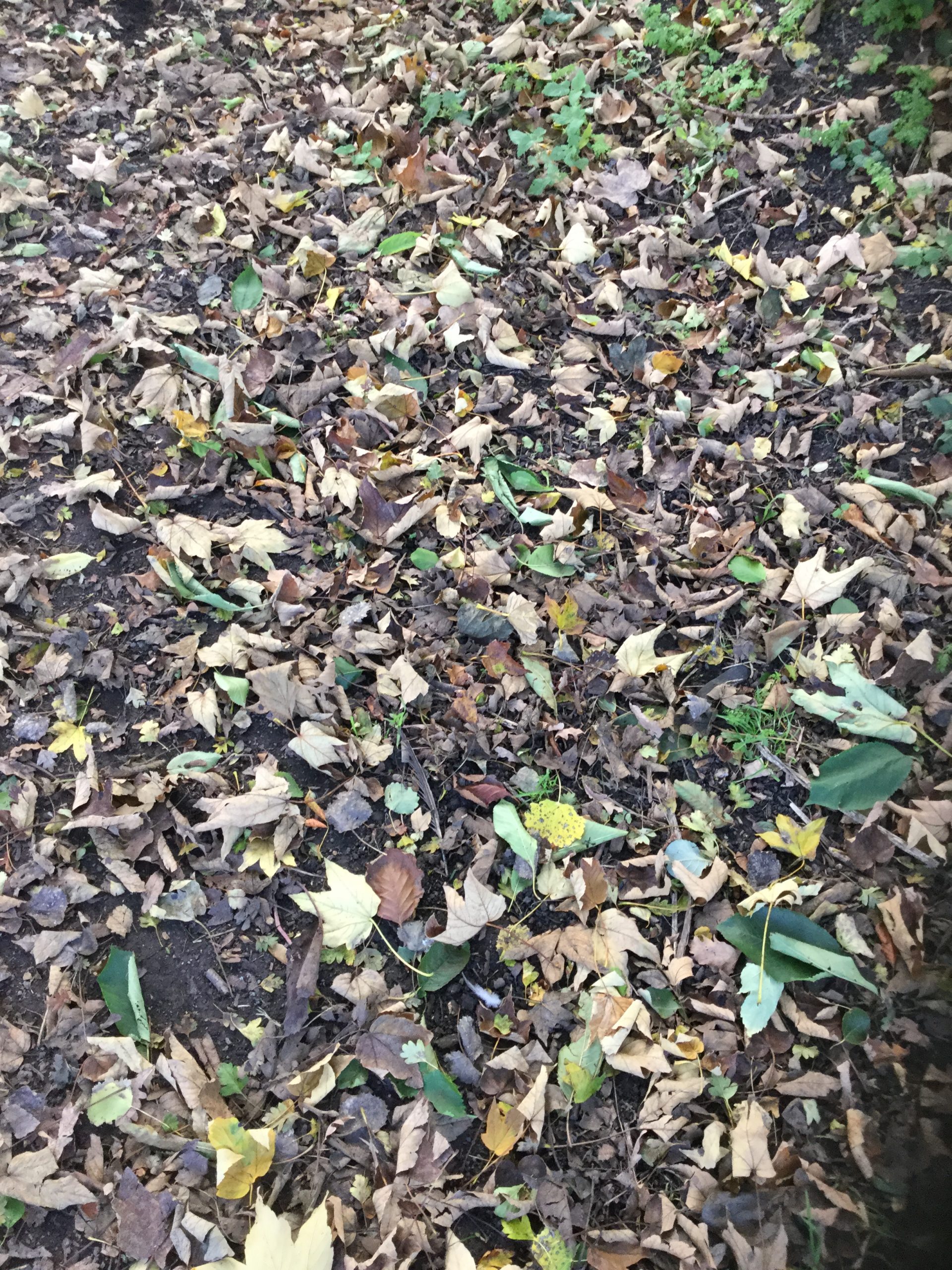
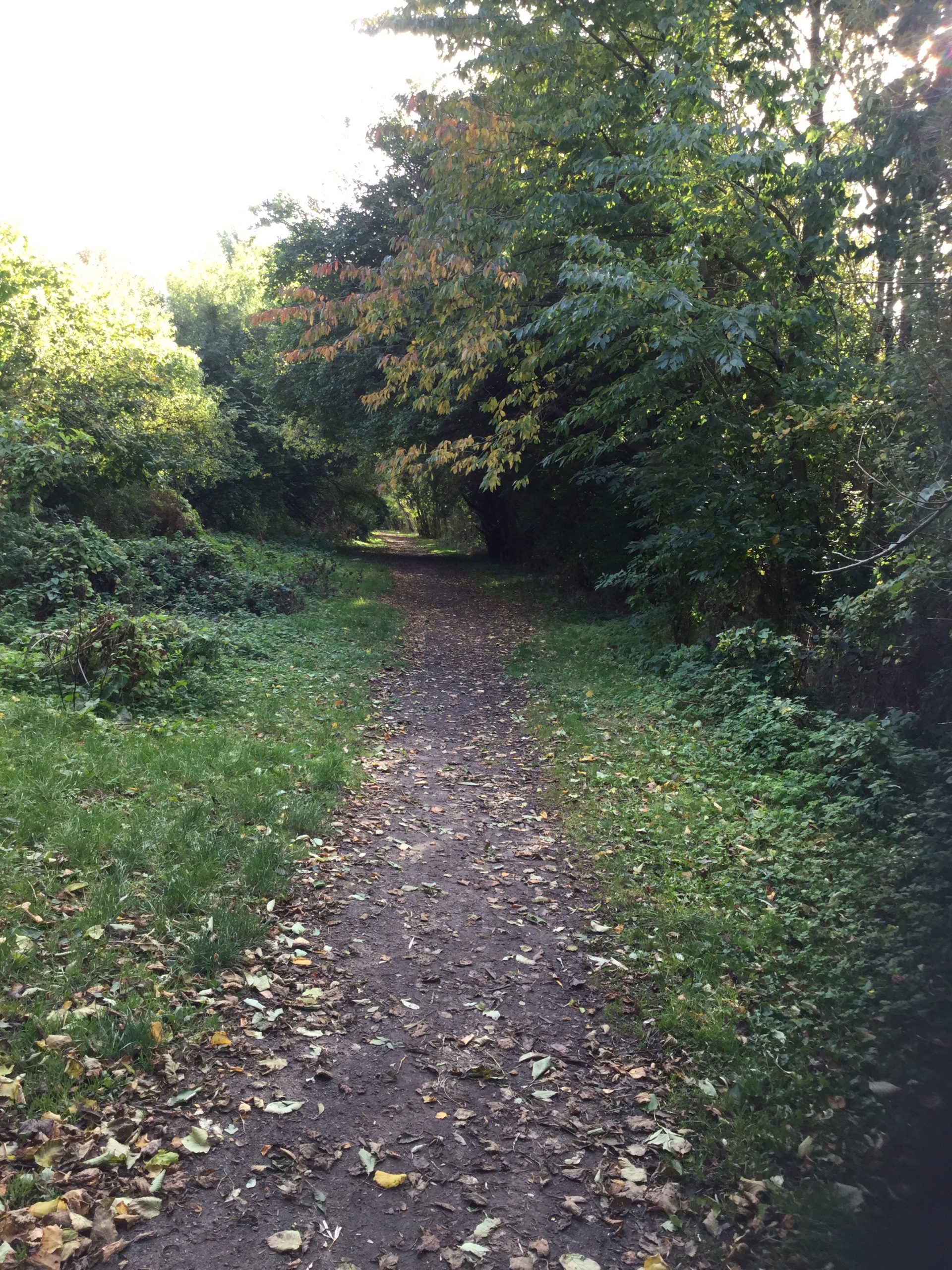
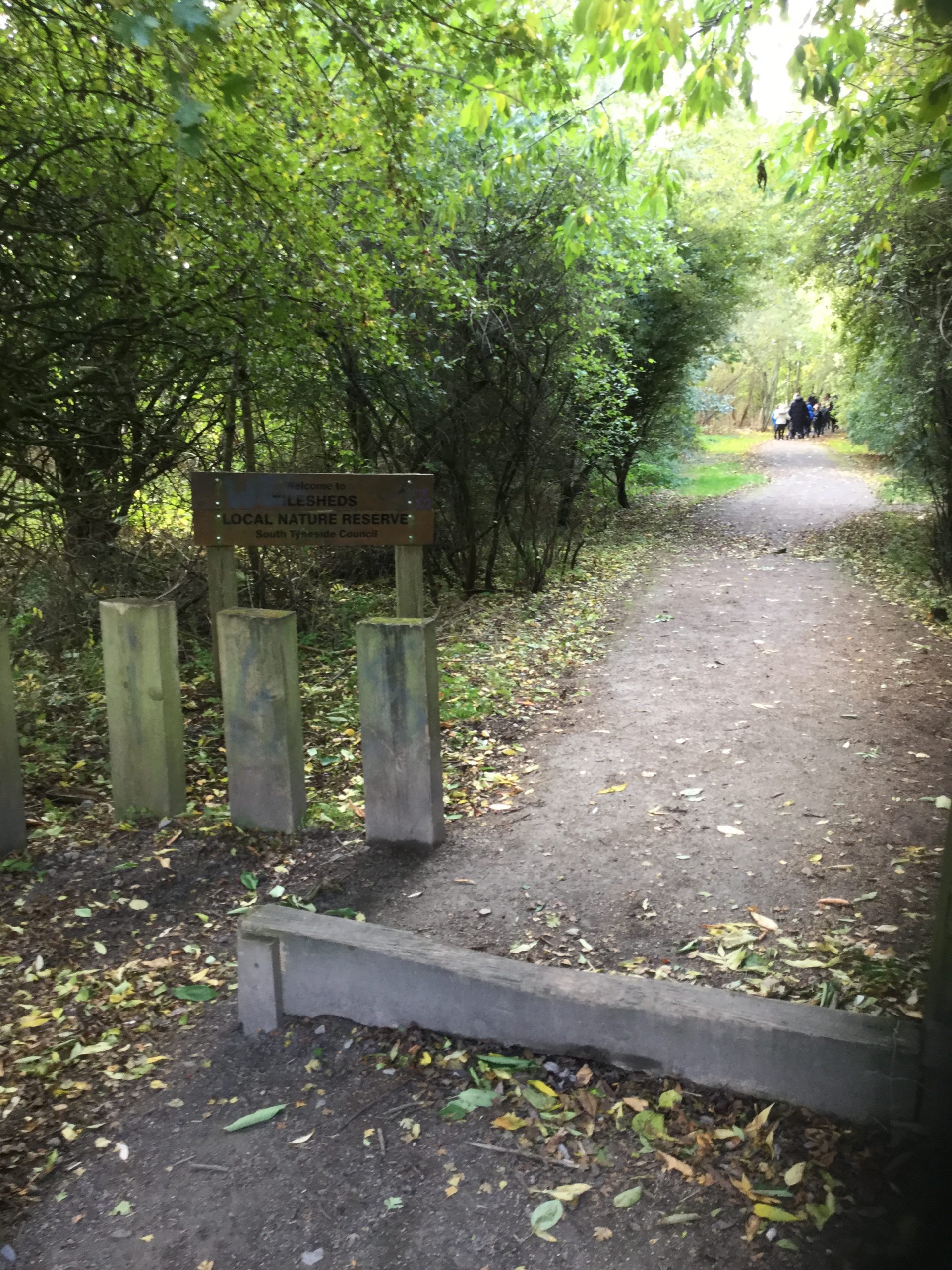
KS1 have been learning all about the seasons! Y1 and Y2 went on a local walk around the bridle paths to observe different signs of Autumn. We found lots of leaves on the ground and they were all orange/brown! We then set up a weather station to measure the temperature, rainfall and wind during each season to make some comparisons throughout the year.
STEM-Fest
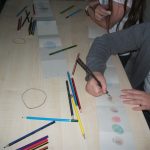
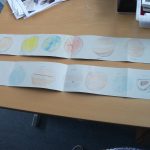
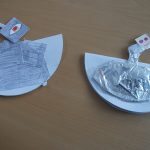
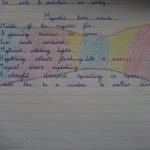
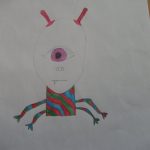
Just before the October half term, Year 6 took part in an international Stem-Fest which involved taking part in a series of online workshops all about space. They drew aliens, wrote space poems, created Mars rovers thinking about the adaptations needed for life on Mars and learnt about the order on the planets. Here are some photos of the day.
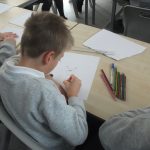
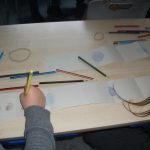
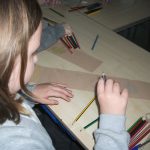
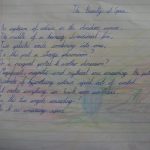
Year 1KC have been super scientists!
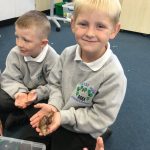
They had a lovely visitor, Katie, who brought along some different creatures for them to meet and investigate. The children have also been using their senses to explore different things in the classroom and they have developed their knowledge of the human body. Here are some photos of the day.